
Phase 3 (Eli Lilly TRIUMPH program, e.g. NCT06383390); a pre-approval expanded access program opened June 2026 for patients with severe obesity who've failed approved treatments; a Biologics License Application was planned for Q1 2027 as of mid-2026 — not yet FDA-approved.
Retatrutide is a synthetic peptide engineered as a single-molecule agonist at three receptors: GLP-1R, GIPR, and the glucagon receptor (GCGR). Combined GLP-1/GIP agonism enhances glucose-dependent ins...
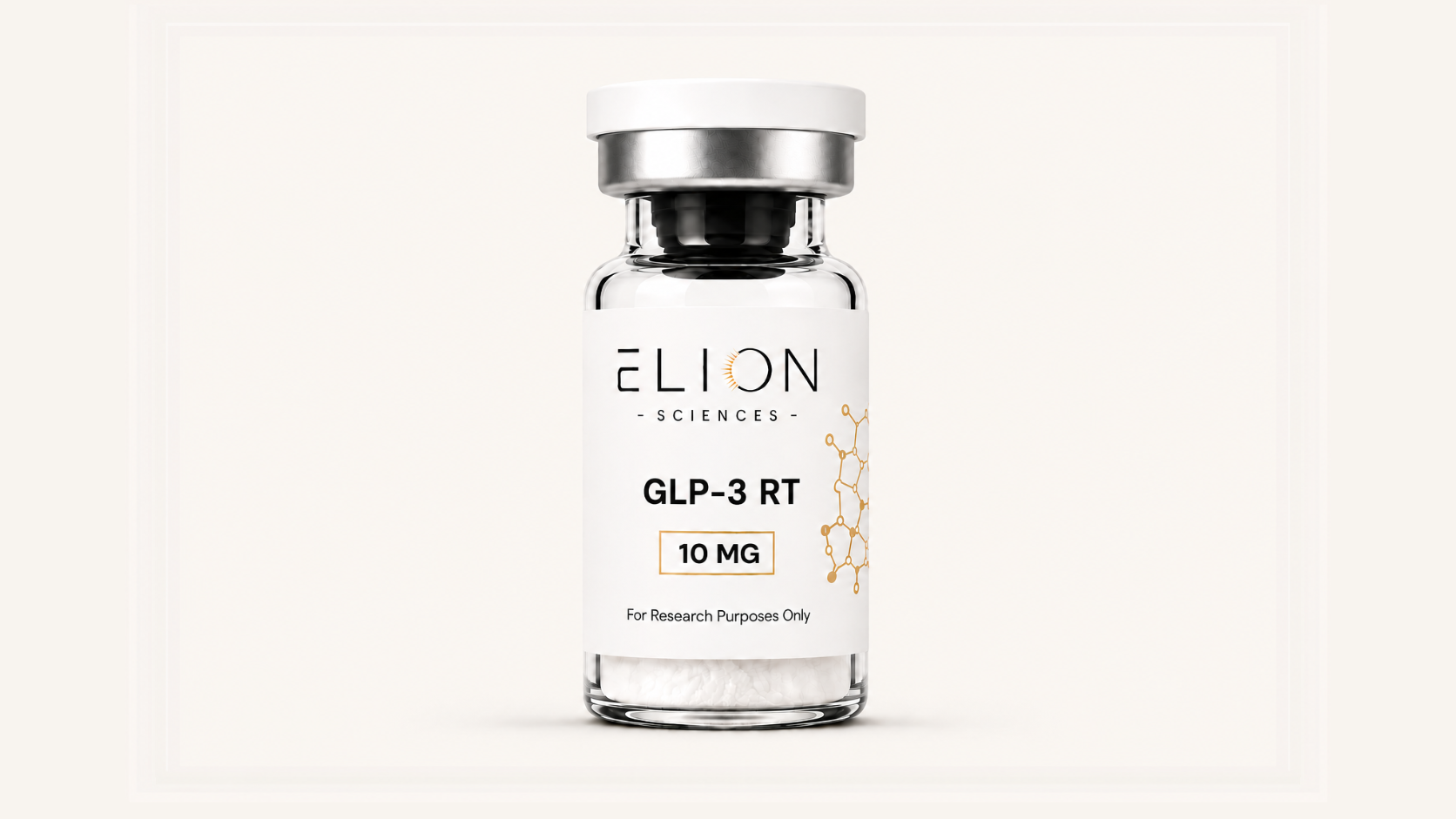
Retatrutide is a synthetic peptide engineered as a single-molecule agonist at three receptors: GLP-1R, GIPR, and the glucagon receptor (GCGR). Combined GLP-1/GIP agonism enhances glucose-dependent insulin secretion and satiety; the added glucagon receptor agonism is believed to increase energy expenditure and hepatic fat oxidation, proposed to explain the larger fat-mass reductions seen versus GLP-1-only or GLP-1/GIP dual-agonist therapies. In its Phase 2 obesity trial, the 12 mg dose produced up to 24.2% weight loss at 48 weeks versus placebo; gastrointestinal adverse events were the most common finding across trials, and a body-composition substudy found dose-dependent fat-mass reductions with relatively preserved lean mass.
Journal of Basic and Clinical Physiology and Pharmacology · 2025
Pooled analysis of 3 trials (1,082 patients) found the 12 mg dose produced the largest reductions in body weight, BMI, and waist circumference, with GI effects as the most common safety finding.
View Source →The Lancet Diabetes & Endocrinology · 2025
DXA substudy found dose-dependent fat-mass reductions up to ~26% at the 8 mg dose, substantially exceeding dulaglutide or placebo, with relatively preserved lean mass.
View Source →The Lancet · 2023
Phase 2 trial in type 2 diabetes found dose-dependent HbA1c reductions and body-weight reduction up to 16.94% at the highest dose, versus 3.00% placebo and 2.02% dulaglutide.
View Source →New England Journal of Medicine · 2023
48-week Phase 2 trial found dose-dependent weight loss up to 24.2% at the 12 mg dose versus placebo; GI adverse events were most common, with transient heart-rate increases peaking around week 24.
View Source →