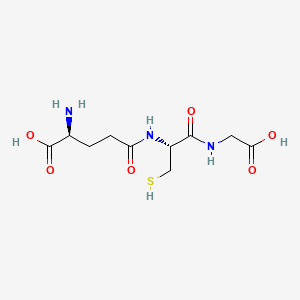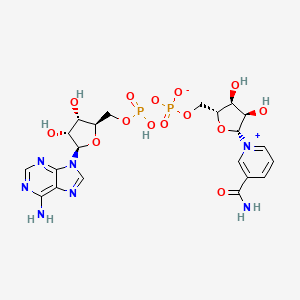

The cellular defense and antioxidant chemistry behind our longevity research line.
Longevity research in this category covers three distinct mechanisms: copper-peptide-driven tissue signaling (GHK-Cu, shared with the aesthetics line), a small tetrapeptide studied for telomerase and epigenetic effects (Epitalon), and two of the most heavily marketed cellular-defense molecules in wellness research (Glutathione, NAD+) — both of which, notably, have real human trial data showing more modest effects than their popular reputation suggests. This category is a useful illustration of why reading the primary literature matters: several of its compounds have genuine mechanistic plausibility but thin or mixed human clinical evidence.
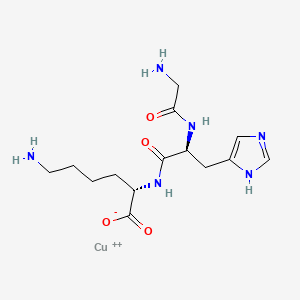
GHK-Cu is a naturally occurring copper-binding tripeptide whose plasma concentration declines with age. In dermal fibroblast and keratinocyte research, it stimulates collagen and glycosaminoglycan synthesis, promotes angiogenesis, and has chemotactic effects on immune cells, and it has been shown to influence broad gene-expression programs linked to tissue remodeling and wound repair.
Explore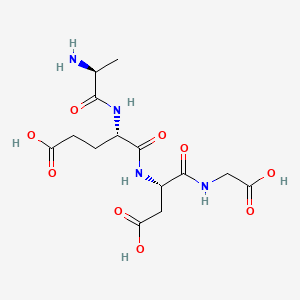
Epitalon (the AEDG tetrapeptide) has been studied for inducing telomerase catalytic-subunit expression and telomere elongation in telomerase-negative human fibroblast cultures, and for normalizing circadian melatonin and cortisol secretion in aged primates. Molecular modeling suggests it may bind histone H1 sites to epigenetically regulate transcription. Its telomerase-inducing effect raises a theoretical oncogenesis concern — telomerase reactivation is a hallmark of many cancers — though the origin research group's own animal work reports decreased experimental carcinogenesis with treatment, a tension not yet independently resolved outside that group. No completed human clinical safety trials were identified; the evidence base is limited to in vitro and animal studies from a small number of research groups.
Current Diabetes Reports · 2024
Across 8 randomized trials (342 participants), the NAD+ precursor NMN showed no significant effect on glucose or lipid metabolic markers in mainly healthy adults.
View Source →Science Advances · 2023
Review of 25 human trials of the NAD+ precursor nicotinamide riboside concludes it has shown few clinically relevant effects in humans to date, despite favorable preclinical data.
View Source →Aging (Albany NY) · 2022
Epitalon reduced intracellular reactive oxygen species and increased mitochondrial membrane potential in aging mouse oocytes.
View Source →Molecules · 2020
AEDG increased neurogenic differentiation markers in human gingival stem cells and was modeled to bind histone H1.3/H1.6 sites, suggesting an epigenetic mechanism.
View Source →Indian Journal of Dermatology, Venereology and Leprology · 2016
Concludes there is no solid evidence for IV glutathione's skin-lightening efficacy, and notes a public regulatory warning was issued against its off-label use for this purpose due to adverse effects.
View Source →Science · 2015
Foundational review establishing NAD+'s roles as a redox coenzyme and cosubstrate for sirtuins and PARPs, and its age-related decline as a therapeutic target.
View Source →BioMed Research International · 2015
Reviews GHK's roles stimulating collagen synthesis, attracting immune cells, and regulating genes relevant to skin regeneration.
View Source →Journal of Peptide Science · 2012
Cultured skin model study showing copper-free GHK increases basal stem-cell proliferative markers and integrin expression.
View Source →Movement Disorders · 2009
IV glutathione was well tolerated versus placebo with no significant difference in adverse events, but showed no statistically significant motor-symptom benefit.
View Source →Journal of Biomaterials Science, Polymer Edition · 2008
Foundational review describing GHK-Cu's activation of fibroblast/keratinocyte proliferation, angiogenesis, and nerve outgrowth relevant to tissue remodeling.
View Source →Archives of Facial Plastic Surgery · 2006
Randomized trial found no objective reduction in erythema or wrinkling from topical copper tripeptide after laser resurfacing, versus control, despite higher patient-reported satisfaction — real evidence does not uniformly support efficacy claims.
View Source →Journal of Nutrition · 2004
Reviews glutathione synthesis regulation and its roles in antioxidant defense and detoxification, linking deficiency to oxidative stress in numerous disease states.
View Source →Bulletin of Experimental Biology and Medicine · 2003
Addition of Epithalon to telomerase-negative human fetal fibroblast culture induced telomerase catalytic-subunit expression, enzymatic activity, and telomere elongation.
View Source →Bulletin of Experimental Biology and Medicine · 2001
In aged female rhesus monkeys, Epithalon stimulated evening melatonin production and normalized circadian cortisol rhythms.
View Source →