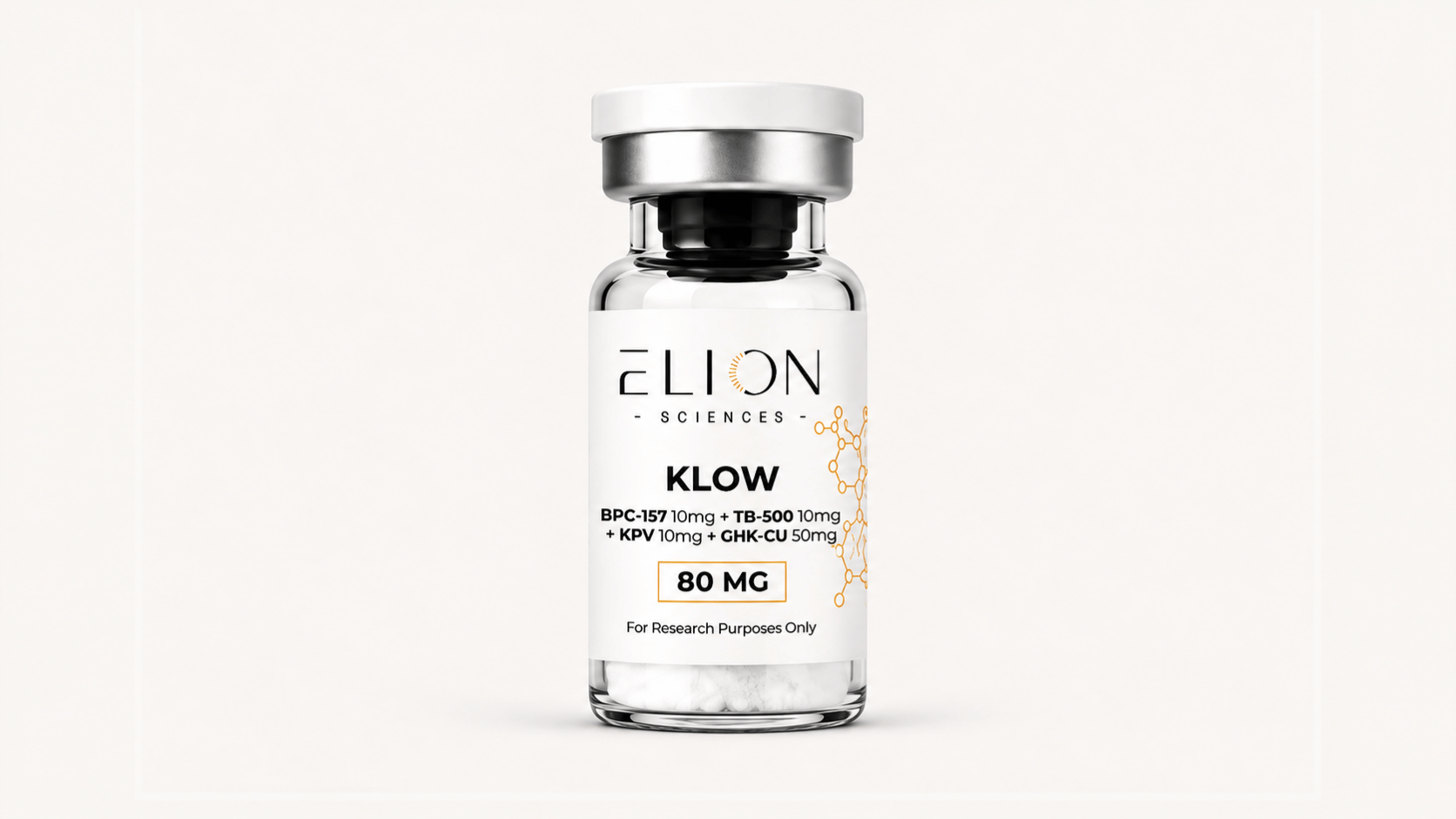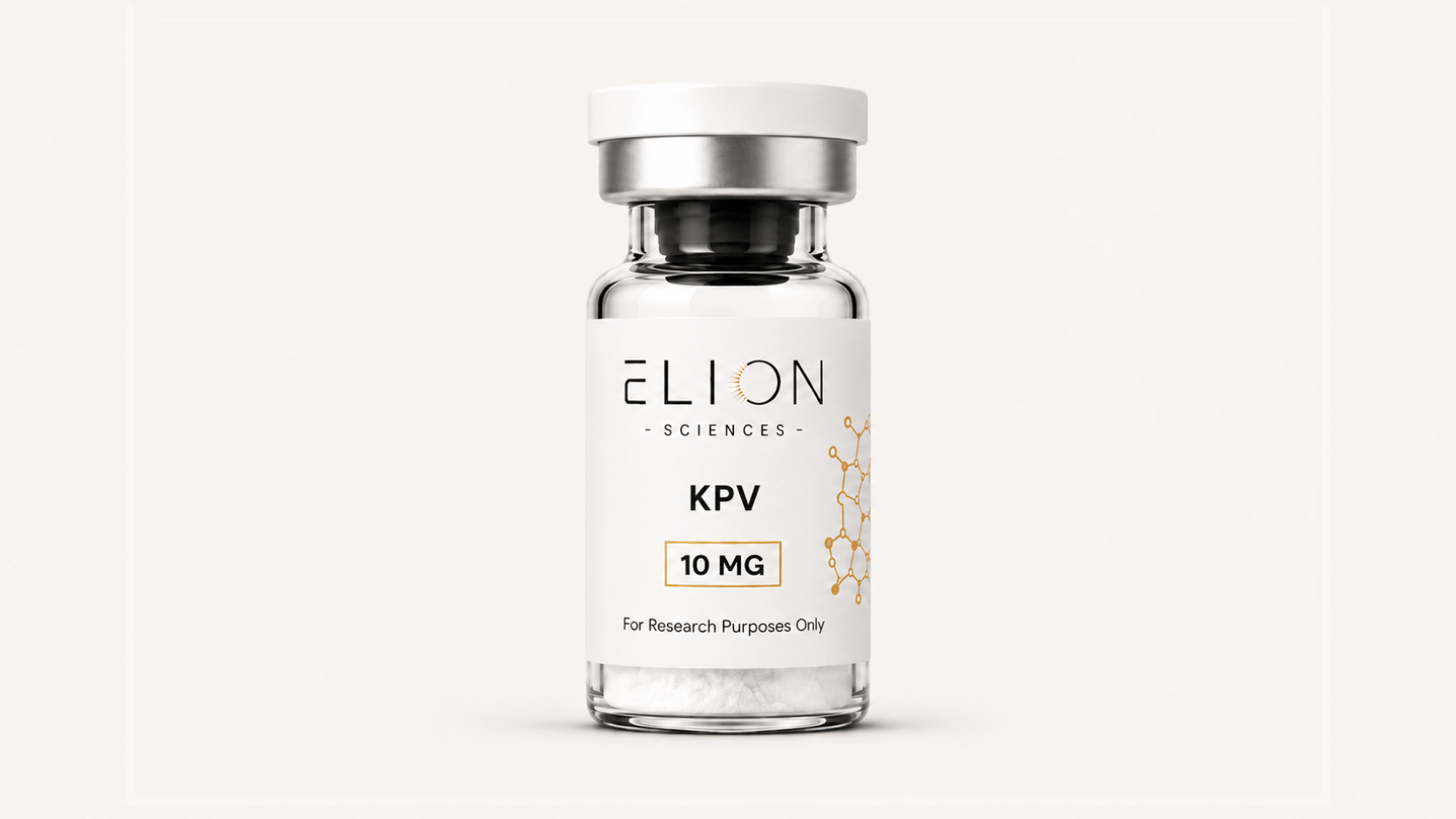

KPV is the C-terminal tripeptide fragment of alpha-melanocyte-stimulating hormone (residues 11-13). It is taken up into immune and intestinal epithelial cells via the PepT1 transporter, where nanomola...
KPV is the C-terminal tripeptide fragment of alpha-melanocyte-stimulating hormone (residues 11-13). It is taken up into immune and intestinal epithelial cells via the PepT1 transporter, where nanomolar concentrations suppress NF-kB and MAP kinase-driven pro-inflammatory cytokine production — a mechanism shown to be independent of melanocortin receptors despite KPV's alpha-MSH lineage. It has been studied primarily in mouse models of inflammatory bowel disease; no published human clinical trial data was identified.
Molecular Therapy · 2017
Hyaluronic-acid-functionalized nanoparticles delivered KPV to colonic tissue in a mouse ulcerative colitis model, outperforming free KPV in accelerating mucosal healing.
View Source →Gastroenterology · 2008
Demonstrated PepT1-dependent, melanocortin-receptor-independent uptake of KPV; nanomolar KPV inhibited NF-kB/MAPK activation and oral KPV reduced colitis incidence in mice.
View Source →Inflammatory Bowel Diseases · 2008
In mouse IBD models, KPV treatment produced earlier recovery, stronger regain of body weight, and reduced inflammatory infiltrates versus controls.
View Source →