

Every active compound we carry has a research profile: chemical structure, mechanism of action, and the studies behind it, so you can see exactly what you're taking and why.
Every batch we ship is lab-verified for potency and purity before it reaches you.

Tirzepatide simultaneously activates GIP and GLP-1 receptors on pancreatic beta cells and in the brain, enhancing glucose-dependent insulin secretion, suppressing glucagon, slowing gastric emptying, and reducing food intake. Structural studies show it activates GIPR similarly to native GIP but engages GLP-1R differently, producing less receptor desensitization than native GLP-1. It carries the same boxed warning for thyroid C-cell tumors as other drugs in its class. In the pivotal SURMOUNT-1 trial, mean weight reductions reached 22.5% at the highest dose versus 2.4% for placebo at 72 weeks; gastrointestinal adverse events, especially nausea, were significantly more common than with comparators across a 6-trial meta-analysis.
Explore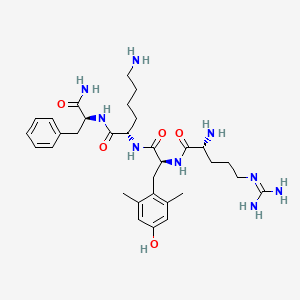
SS-31 is a cell-permeable aromatic-cationic tetrapeptide that concentrates in the inner mitochondrial membrane, proposed to bind and stabilize cardiolipin, preserving cristae structure and electron transport chain organization and reducing reactive oxygen species production. Its clinical trial history is a useful, honest case study in mixed results: it improved 6-minute walk distance and fatigue in Barth syndrome (the basis for its 2025 approval), but did not significantly improve left ventricular function in a heart failure trial (PROGRESS-HF) or meet its primary endpoints in a primary mitochondrial myopathy trial (MMPOWER-3) — it was generally well tolerated across all of these, with injection-site reactions as the most frequent adverse event.
Explore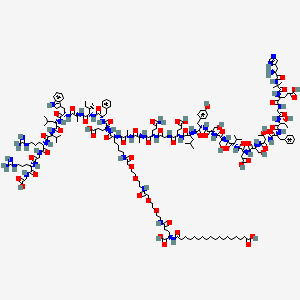
Semaglutide mimics endogenous GLP-1; an Aib8 substitution blocks DPP-4 degradation, and an albumin-binding fatty-diacid conjugate extends its half-life from roughly 2 minutes (native GLP-1) to about a week, enabling weekly dosing. It stimulates glucose-dependent insulin secretion, suppresses glucagon, slows gastric emptying, and reduces appetite via hypothalamic action. It carries a boxed warning for thyroid C-cell tumors based on rodent carcinogenicity data (human relevance undetermined) and is contraindicated with a personal or family history of medullary thyroid carcinoma or MEN 2. In the pivotal STEP 1 trial, it produced 14.9% mean weight reduction versus 2.4% for placebo at 68 weeks; the SELECT cardiovascular outcomes trial found a reduced composite rate of cardiovascular death, heart attack, or stroke in adults with obesity and existing cardiovascular disease.
Explore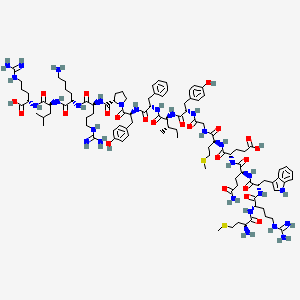
MOTS-c is a 16-amino-acid peptide encoded within the mitochondrial 12S rRNA gene — a "mitochondrial-derived peptide." It signals to skeletal muscle, suppressing folate-linked purine synthesis and activating AMPK; exercise induces endogenous MOTS-c, and exogenous dosing in mice mimics exercise-associated metabolic benefits including improved insulin sensitivity. No established human safety or dosing data exist for exogenous administration — human evidence to date is limited to measuring endogenous expression during exercise, not administering the peptide itself.
Explore
Retatrutide is a synthetic peptide engineered as a single-molecule agonist at three receptors: GLP-1R, GIPR, and the glucagon receptor (GCGR). Combined GLP-1/GIP agonism enhances glucose-dependent insulin secretion and satiety; the added glucagon receptor agonism is believed to increase energy expenditure and hepatic fat oxidation, proposed to explain the larger fat-mass reductions seen versus GLP-1-only or GLP-1/GIP dual-agonist therapies. In its Phase 2 obesity trial, the 12 mg dose produced up to 24.2% weight loss at 48 weeks versus placebo; gastrointestinal adverse events were the most common finding across trials, and a body-composition substudy found dose-dependent fat-mass reductions with relatively preserved lean mass.
Explore
Cagrilintide is a long-acting synthetic amylin analogue that agonizes amylin (AMY1R/AMY3R) and calcitonin receptors, slowing gastric emptying and increasing satiety via hindbrain signaling. It is studied both alone and, more prominently, in combination with semaglutide, where it synergizes via complementary appetite pathways. In the Phase 3 REDEFINE 1 trial, the combination produced 20.4% mean weight reduction at 68 weeks versus 3.0% for placebo; gastrointestinal adverse events (nausea, vomiting, constipation) were the dominant safety finding, occurring in roughly 80% of combination-treated participants versus 40% on placebo, mostly mild-to-moderate.
Explore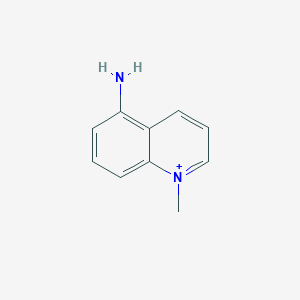
5-Amino-1MQ is a selective, membrane-permeable inhibitor of nicotinamide N-methyltransferase (NNMT), an enzyme that consumes SAM to methylate nicotinamide, depleting cellular SAM and NAD+ pools. Inhibiting NNMT raises intracellular SAM and NAD+ in adipocytes, suppressing lipogenesis and promoting fat oxidation in mouse models — reducing adiposity without reducing food intake. No human safety or efficacy data exist; the founding mouse study observed no adverse effects during short-term dosing, but that is a single short preclinical study, not a toxicology program.
Explore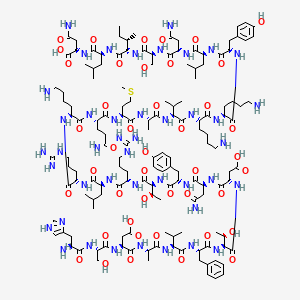
VIP binds VPAC1 and VPAC2, class B G-protein-coupled receptors that classically activate adenylate cyclase and raise intracellular cAMP. Through this signaling it modulates neural, gastrointestinal, immune, endocrine, and circadian processes; in pancreatic beta cells, VPAC2 activation triggers cAMP/PKA-mediated closure of ATP-sensitive potassium channels and subsequent insulin secretion, and VIP has also been studied as an endogenous anti-inflammatory neuropeptide that helps maintain immune tolerance.
Explore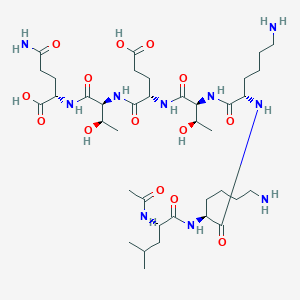
The marketed "TB-500" is a 7-residue fragment of the 43-amino-acid protein Thymosin Beta-4, but nearly all of the mechanistic and efficacy literature — angiogenesis, wound healing, and myoblast chemotaxis — was conducted with the full-length protein, not the fragment; only one identified study characterizes the fragment itself, and it is an analytical detection method paper, not an efficacy or safety study. Full-length Thymosin Beta-4 is an intracellular actin-monomer-binding protein that promotes cell migration and angiogenesis, partly via VEGF induction. This same pro-angiogenic mechanism has a documented dark side: full-length Tβ4-overexpressing tumor cells produced significantly larger tumors and more metastases in an animal cancer model, a legitimate mechanistic safety consideration given TB-500 is marketed on the identical mechanism.
Explore
KPV is the C-terminal tripeptide fragment of alpha-melanocyte-stimulating hormone (residues 11-13). It is taken up into immune and intestinal epithelial cells via the PepT1 transporter, where nanomolar concentrations suppress NF-kB and MAP kinase-driven pro-inflammatory cytokine production — a mechanism shown to be independent of melanocortin receptors despite KPV's alpha-MSH lineage. It has been studied primarily in mouse models of inflammatory bowel disease; no published human clinical trial data was identified.
Explore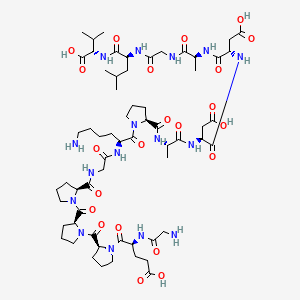
BPC-157 is a synthetic partial sequence derived from a peptide identified in human gastric juice. Preclinically, it accelerates healing of tendon, ligament, muscle, and gut tissue by promoting fibroblast and tenocyte migration, cell survival under oxidative stress, and new blood vessel formation. A 2025 systematic review screened 544 articles and found only 36 met inclusion criteria — 35 preclinical (animal) studies and exactly one small retrospective clinical case series. Published clinical safety data for BPC-157 remains absent; the evidence base is overwhelmingly animal and in-vitro.
Explore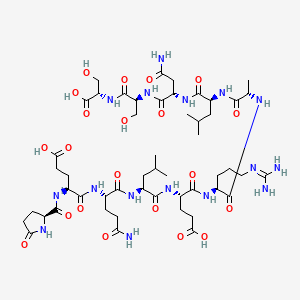
ARA-290 was engineered to reproduce a small structural motif of erythropoietin's tertiary fold — the helix B region — without activating the classical erythropoietin receptor homodimer, avoiding EPO's hematopoietic (red-cell-stimulating) effect. By engaging an EPOR/CD131 heterocomplex instead, it activates anti-inflammatory and cytoprotective signaling studied for neuronal and vascular tissue repair. A blinded, placebo-controlled human trial in patients with sarcoidosis-associated small nerve fiber damage reported improved neuropathic symptoms and increased corneal nerve fiber density after 28 days of dosing.
Explore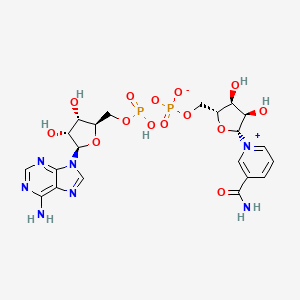
NAD+ is a coenzyme present in all living cells that shuttles electrons in the redox reactions central to glycolysis, the TCA cycle, and oxidative phosphorylation. It is also a consumed co-substrate for PARP enzymes during DNA base-excision repair and for sirtuins during protein deacetylation, linking cellular NAD+ availability to genome-stability maintenance and metabolic regulation. Cellular NAD+ levels decline with age. A systematic review of 8 randomized trials of the precursor NMN (342 participants) found no significant benefit on glucose, insulin, or lipid markers, and a separate review of 25 published human trials of the precursor NR concluded supplementation has shown few clinically relevant effects — an important gap between preclinical claims and confirmed human outcomes.
Explore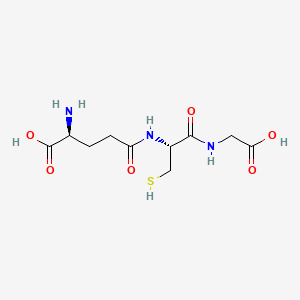
Glutathione is the most abundant intracellular low-molecular-weight thiol and the major cellular redox buffer, serving as the essential cofactor for glutathione peroxidase (neutralizing peroxides) and glutathione-S-transferases (hepatic xenobiotic conjugation and clearance). A randomized, placebo-controlled trial of IV glutathione in Parkinson's disease found it well tolerated with no significant difference in adverse events from placebo, but no statistically significant motor-symptom benefit. IV glutathione used off-label for skin lightening has documented adverse effects sufficient to prompt a public regulatory warning against that specific use.
Explore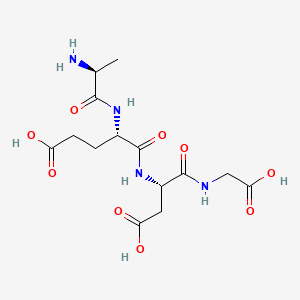
Epitalon (the AEDG tetrapeptide) has been studied for inducing telomerase catalytic-subunit expression and telomere elongation in telomerase-negative human fibroblast cultures, and for normalizing circadian melatonin and cortisol secretion in aged primates. Molecular modeling suggests it may bind histone H1 sites to epigenetically regulate transcription. Its telomerase-inducing effect raises a theoretical oncogenesis concern — telomerase reactivation is a hallmark of many cancers — though the origin research group's own animal work reports decreased experimental carcinogenesis with treatment, a tension not yet independently resolved outside that group. No completed human clinical safety trials were identified; the evidence base is limited to in vitro and animal studies from a small number of research groups.
Explore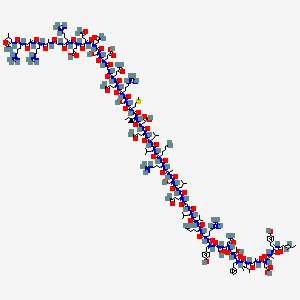
Tesamorelin is the full 44-amino-acid sequence of human growth hormone-releasing hormone with an N-terminal hexenoyl modification that confers resistance to DPP-IV-mediated degradation, extending its half-life relative to native GHRH. It binds the pituitary GHRH receptor to stimulate endogenous GH/IGF-1 axis activity, and has been studied specifically, and successfully in pivotal human trials, for reducing visceral adipose tissue.
Explore
SLU-PP-332 is a synthetic pan-agonist of the estrogen-related receptor subfamily (ERR-alpha, ERR-beta, ERR-gamma), most potent at ERR-alpha. Activation of these nuclear receptors induces transcriptional programs governing mitochondrial biogenesis, oxidative muscle fiber type, and fatty-acid utilization, and it has been studied as a pharmacological "exercise mimetic" tool for aerobic-metabolism research, including a cardioprotective effect in a mouse heart-failure model.
Explore
Sermorelin corresponds to the biologically active N-terminal 1-29 fragment of human growth hormone-releasing hormone (GHRH). It binds the pituitary GHRH receptor, activating Gs/adenylate cyclase/cAMP signaling that drives pulsatile growth hormone release, and has historically been used both as a diagnostic probe of pituitary GH reserve and as a chronic-dosing research tool for the GHRH axis.
Explore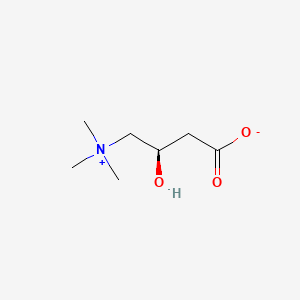
L-Carnitine is required to shuttle long-chain fatty acids across the inner mitochondrial membrane via the CPT1/carnitine-acylcarnitine-translocase/CPT2 system, the rate-limiting entry point for mitochondrial beta-oxidation. Genetic OCTN2 transporter defects that impair carnitine uptake cause primary carnitine deficiency, underscoring the pathway's centrality to fatty-acid-based cellular energy metabolism.
Explore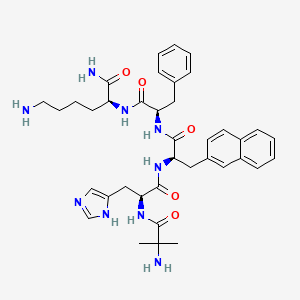
Ipamorelin is a selective agonist of the growth hormone secretagogue receptor (GHSR-1a), derived from GHRP-1. The original characterization study found it stimulates pulsatile growth hormone release at potency comparable to other GH secretagogues, but — unlike earlier-generation compounds in its class — without significantly elevating ACTH, cortisol, or prolactin above GHRH-stimulated levels, even at supra-effective doses.
ExploreIGF-1 LR3 is a modified analogue of insulin-like growth factor-1, engineered with a Glu3→Arg substitution and a 13-residue N-terminal extension that markedly reduces binding to IGF-binding proteins and extends bioavailability relative to native IGF-1. It binds and activates the IGF-1 receptor, triggering downstream PI3K/Akt and MAPK/ERK signaling studied in relation to cellular proliferation, protein synthesis, and anabolic tissue signaling.
Explore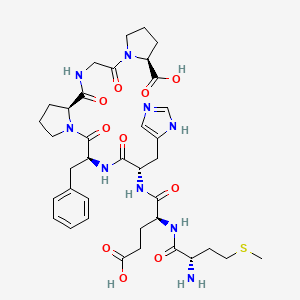
Semax is a synthetic heptapeptide derived from the ACTH(4-7) sequence with an added Pro-Gly-Pro tail, studied predominantly in rodent models of cerebral ischemia and in human neuroimaging studies of brain connectivity. Proposed mechanisms include modulation of neurotrophic signaling, altered hippocampal calcium dynamics, and immune/vascular gene-expression changes in ischemic brain tissue — distinct from ACTH's classical corticotropic hormone activity, which the sequence used here lacks.
Explore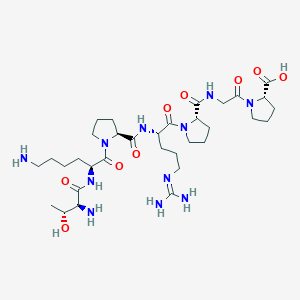
Selank is a synthetic, metabolically stabilized extension of the natural immunomodulatory tetrapeptide tuftsin, studied primarily in rodent models of anxiety, stress, and cognition. Proposed mechanisms include upregulation of hippocampal and prefrontal cortical BDNF, modulation of GABAergic signaling, and inhibition of enzymes that degrade endogenous enkephalins. Human data is limited to a single small resting-state fMRI study.
Explore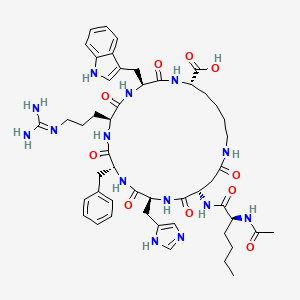
Bremelanotide is a synthetic cyclic heptapeptide analogue of alpha-MSH that acts as a nonselective melanocortin receptor agonist, with activity at both MC4R and MC3R. Central MC4R activation is understood to modulate hypothalamic circuits implicated in sexual arousal and desire, distinguishing its mechanism from peripheral vascular-acting agents. It has an unusually deep human clinical trial record among research peptides, including a 52-week long-term safety extension.
Explore
Kisspeptin binds the KISS1 receptor (KISS1R/GPR54) on hypothalamic GnRH neurons, triggering phospholipase C activation, closure of potassium channels, and sustained depolarization — positioning it as the principal upstream regulator of pulsatile and surge GnRH release, and consequently of downstream LH/FSH secretion. A nonneuronal KISS1R pathway in astrocytes has also been identified that modulates the reproductive axis indirectly.
Explore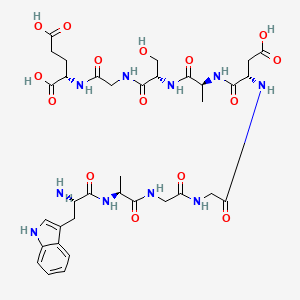
DSIP is a nonapeptide originally isolated from rabbit brain and studied for its association with delta (slow-wave) sleep EEG activity across several species. Despite decades of research, no dedicated DSIP receptor or definitive downstream signaling cascade has been characterized, and its relationship to endogenous sleep regulation remains genuinely unresolved in the primary literature — this uncertainty is itself a notable and honestly-reported finding, not a gap in this summary.
Explore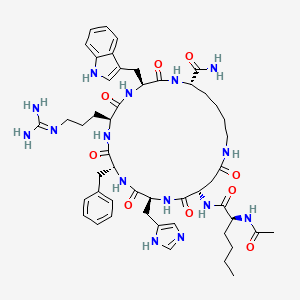
Melanotan 2 is a synthetic, cyclic, non-selective analogue of alpha-MSH that activates multiple melanocortin receptors: MC1R (driving melanogenesis, its intended research use) and MC3R/MC4R (implicated in off-target appetite and sexual-function effects observed in early pharmacology studies). Its lack of receptor selectivity relative to afamelanotide is understood to be why it was never advanced as an approved drug.
Explore
Melanotan 1 and the FDA-approved drug afamelanotide are the same molecule — a synthetic, metabolically stabilized analogue of alpha-melanocyte-stimulating hormone. It binds and activates the melanocortin-1 receptor (MC1R) on melanocytes, stimulating eumelanin production independent of ultraviolet exposure. In erythropoietic protoporphyria, the resulting increase in skin melanin raises the threshold for the painful phototoxic reactions caused by circulating protoporphyrin IX.
Explore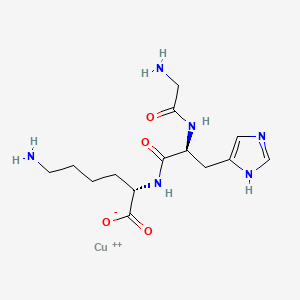
GHK-Cu is a naturally occurring copper-binding tripeptide whose plasma concentration declines with age. In dermal fibroblast and keratinocyte research, it stimulates collagen and glycosaminoglycan synthesis, promotes angiogenesis, and has chemotactic effects on immune cells, and it has been shown to influence broad gene-expression programs linked to tissue remodeling and wound repair.
ExploreThe angiogenesis and tissue-repair signaling behind our recovery research line.
ExploreThe incretin, amylin, and mitochondrial-metabolism research behind our weight loss research line.
ExploreThe cellular defense and antioxidant chemistry behind our longevity research line.
ExploreThe growth hormone axis and mitochondrial-metabolism research behind our physical performance line.
ExploreThe copper-peptide and melanocortin chemistry behind our skin remodeling research line.
ExploreThe neurotrophic and neuroendocrine signaling pathways behind our focus and cognitive health research line.
Explore