
The incretin, amylin, and mitochondrial-metabolism research behind our weight loss research line.
This category includes some of the most clinically significant compounds in the entire catalog: incretin/glucagon receptor agonists (Cagrilintide, Retatrutide) sit alongside mitochondrial-metabolism research tools (5-Amino-1MQ, MOTS-c). Two closely related, already-approved medications in this same mechanism class — semaglutide and tirzepatide — have their own dedicated, fully-cited research pages, but are intentionally not included in this category's shop-linked research grid, since they are the literal active ingredients of prescription-only drugs; see their individual pages for full mechanism and trial data.
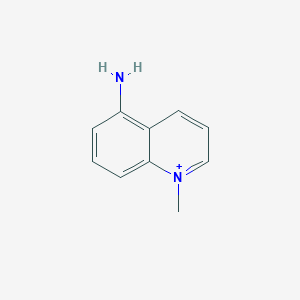
5-Amino-1MQ is a selective, membrane-permeable inhibitor of nicotinamide N-methyltransferase (NNMT), an enzyme that consumes SAM to methylate nicotinamide, depleting cellular SAM and NAD+ pools. Inhibiting NNMT raises intracellular SAM and NAD+ in adipocytes, suppressing lipogenesis and promoting fat oxidation in mouse models — reducing adiposity without reducing food intake. No human safety or efficacy data exist; the founding mouse study observed no adverse effects during short-term dosing, but that is a single short preclinical study, not a toxicology program.
Explore
Cagrilintide is a long-acting synthetic amylin analogue that agonizes amylin (AMY1R/AMY3R) and calcitonin receptors, slowing gastric emptying and increasing satiety via hindbrain signaling. It is studied both alone and, more prominently, in combination with semaglutide, where it synergizes via complementary appetite pathways. In the Phase 3 REDEFINE 1 trial, the combination produced 20.4% mean weight reduction at 68 weeks versus 3.0% for placebo; gastrointestinal adverse events (nausea, vomiting, constipation) were the dominant safety finding, occurring in roughly 80% of combination-treated participants versus 40% on placebo, mostly mild-to-moderate.
Journal of Basic and Clinical Physiology and Pharmacology · 2025
Pooled analysis of 3 trials (1,082 patients) found the 12 mg dose produced the largest reductions in body weight, BMI, and waist circumference, with GI effects as the most common safety finding.
View Source →The Lancet Diabetes & Endocrinology · 2025
DXA substudy found dose-dependent fat-mass reductions up to ~26% at the 8 mg dose, substantially exceeding dulaglutide or placebo, with relatively preserved lean mass.
View Source →New England Journal of Medicine · 2025
Phase 3 REDEFINE 1 trial found 20.4% mean weight reduction at week 68 versus 3.0% for placebo.
View Source →The Lancet · 2023
Phase 2 trial in type 2 diabetes found dose-dependent HbA1c reductions and body-weight reduction up to 16.94% at the highest dose, versus 3.00% placebo and 2.02% dulaglutide.
View Source →New England Journal of Medicine · 2023
48-week Phase 2 trial found dose-dependent weight loss up to 24.2% at the 12 mg dose versus placebo; GI adverse events were most common, with transient heart-rate increases peaking around week 24.
View Source →Scientific Reports · 2022
NNMT inhibition combined with a reduced-calorie diet drove greater weight loss and a distinct gut microbiome versus diet alone in obese mice.
View Source →Nature Communications · 2021
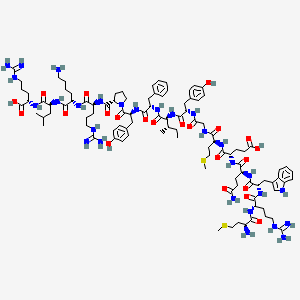
Enhanced physical performance in mice across ages; exercise induced endogenous MOTS-c in human muscle and blood, the primary human evidence available for this compound.
View Source →The Lancet · 2021
Phase 2 dose-finding trial found dose-dependent weight loss of 6.0-10.8% versus 3.0% for placebo, with the top dose beating liraglutide 3.0 mg.
View Source →The Lancet · 2021
Phase 1b trial found the cagrilintide/semaglutide combination produced 15.4-17.1% weight loss versus 8.0-9.8% for comparators, well tolerated.
View Source →Journal of Medicinal Chemistry · 2021
Describes the engineered, fibrillation-resistant amylin analogue design underlying cagrilintide.
View Source →Biochemical Pharmacology · 2018
Reduced body weight, adipose mass, and plasma cholesterol in diet-induced-obese mice without affecting food intake.
View Source →Cell Metabolism · 2015
Identified the MOTS-c sequence encoded in mitochondrial DNA; prevented age- and diet-induced insulin resistance and diet-induced obesity in mice.
View Source →