
The marketed "TB-500" is a 7-residue fragment of the 43-amino-acid protein Thymosin Beta-4, but nearly all of the mechanistic and efficacy literature — angiogenesis, wound healing, and myoblast chemot...
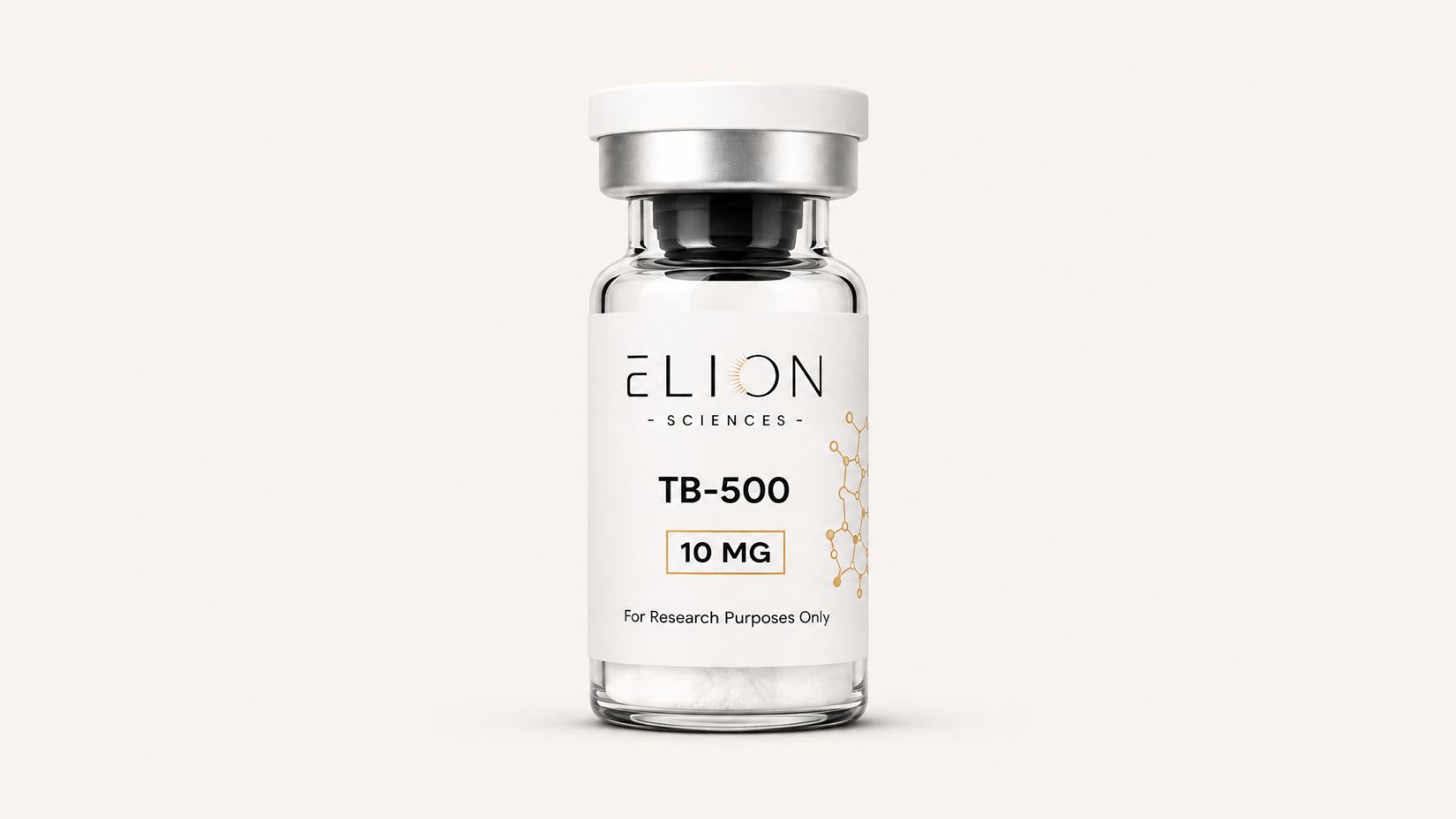
The marketed "TB-500" is a 7-residue fragment of the 43-amino-acid protein Thymosin Beta-4, but nearly all of the mechanistic and efficacy literature — angiogenesis, wound healing, and myoblast chemotaxis — was conducted with the full-length protein, not the fragment; only one identified study characterizes the fragment itself, and it is an analytical detection method paper, not an efficacy or safety study. Full-length Thymosin Beta-4 is an intracellular actin-monomer-binding protein that promotes cell migration and angiogenesis, partly via VEGF induction. This same pro-angiogenic mechanism has a documented dark side: full-length Tβ4-overexpressing tumor cells produced significantly larger tumors and more metastases in an animal cancer model, a legitimate mechanistic safety consideration given TB-500 is marketed on the identical mechanism.
Drug Testing and Analysis · 2012
The paper that specifically characterizes the actual marketed TB-500 fragment via mass spectrometry, developed for anti-doping detection — not an efficacy or safety study.
View Source →Journal of Biochemistry · 2011
In mice, endogenous full-length thymosin beta-4 was upregulated early in regenerating muscle and promoted chemotaxis of myoblastic cells toward injury sites.
View Source →Journal of the National Cancer Institute · 2003
In a mouse tumor model, full-length thymosin-beta4-overexpressing tumor cells produced significantly larger tumors and more lung metastases than controls, linked to increased VEGF expression and angiogenesis.
View Source →