

A synthetic fraction of the naturally occurring protein Thymosin Beta-4. Research focuses on its ability to upregulate cell-building proteins, making it a focal point in studies surrounding muscle tear recovery, inflammation reduction, and flexibility. Supplied as a lyophilized powder for precision research.
Buy One, Get One FREE! The lowest-priced item in each pair is on us. Get up to 5 FREE items per order! Offer valid until November 30, 2026
C38H68N10O14 · 889 g/mol · G-actin sequestration (established for full-length protein; extrapolated for the fragment) · Not FDA-approved
Batch 2505855
Customers often pair this with:



You might also want to check out these products.
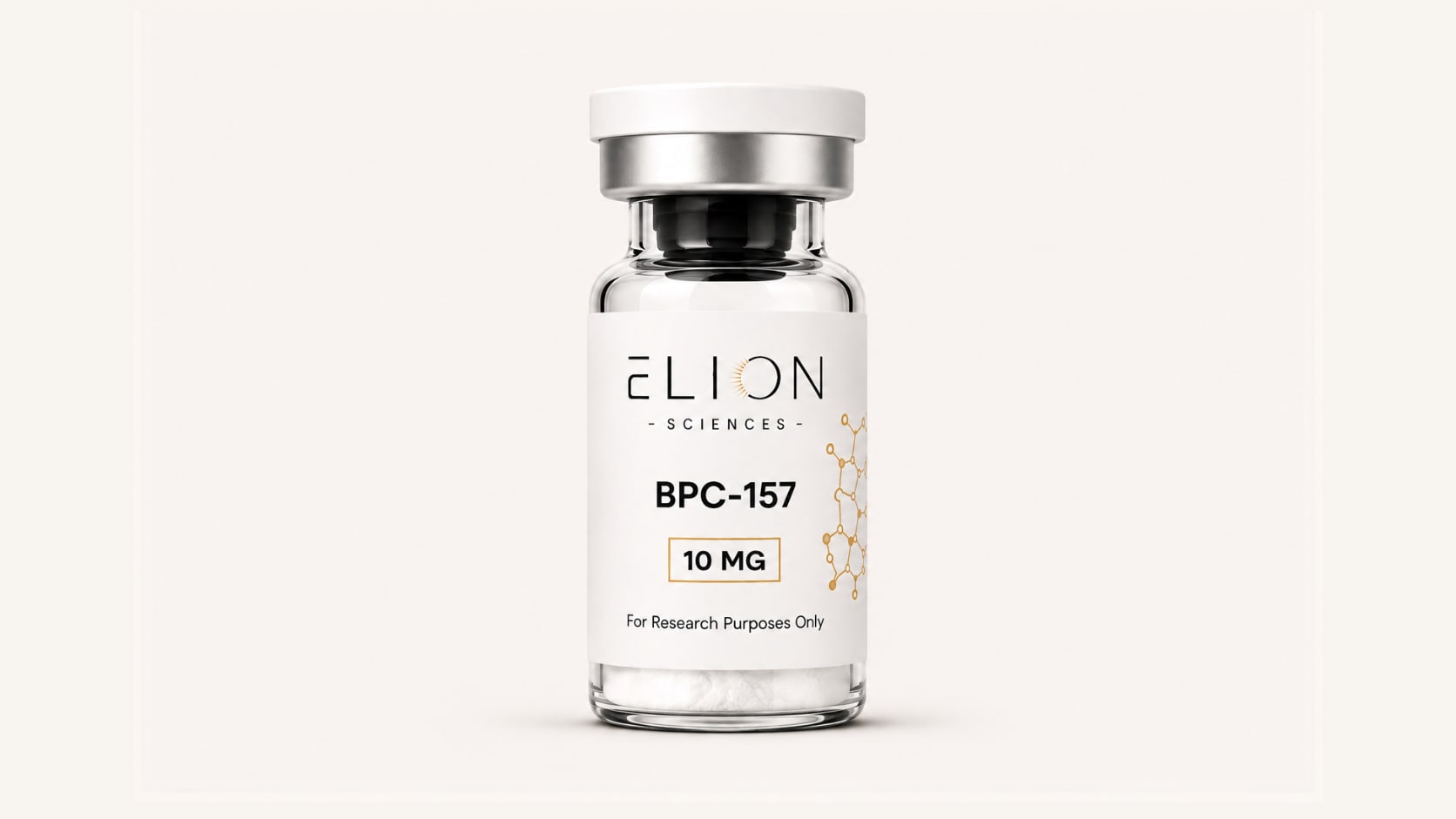
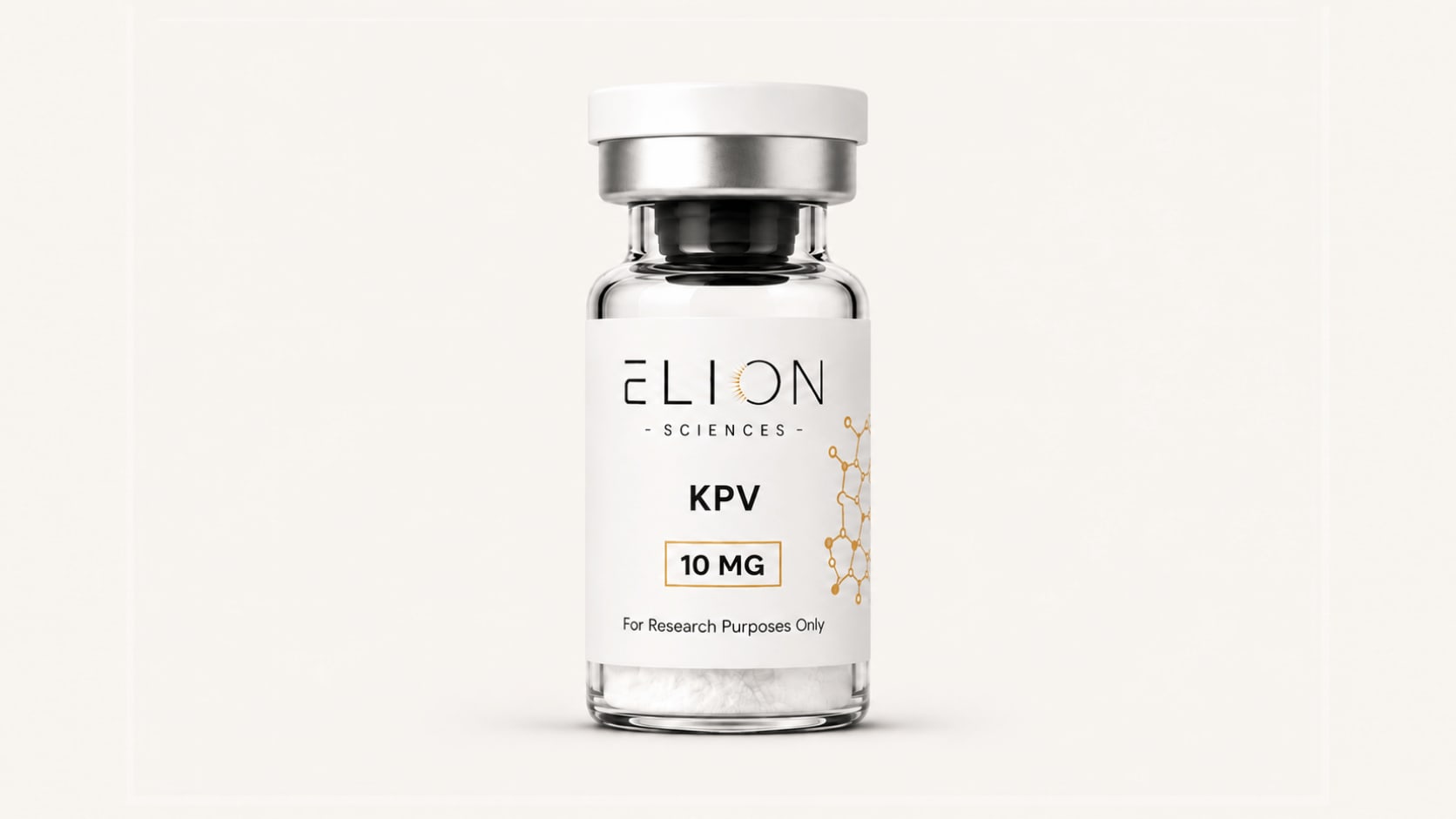
Copper-Binding Tripeptide
Systemic Tissue Repair Peptide

IGF-1 Receptor & Cellular Growth

ERR & Mitochondrial Metabolism
Formula C38H68N10O14 · 889 g/mol · Not FDA-Approved — Research Use Only
The marketed "TB-500" is a 7-residue fragment of the 43-amino-acid protein Thymosin Beta-4, but nearly all of the mechanistic and efficacy literature — angiogenesis, wound healing, and myoblast chemotaxis — was conducted with the full-length protein, not the fragment; only one identified study characterizes the fragment itself, and it is an analytical detection method paper, not an efficacy or safety study. Full-length Thymosin Beta-4 is an intracellular actin-monomer-binding protein that promotes cell migration and angiogenesis, partly via VEGF induction. This same pro-angiogenic mechanism has a documented dark side: full-length Tβ4-overexpressing tumor cells produced significantly larger tumors and more metastases in an animal cancer model, a legitimate mechanistic safety consideration given TB-500 is marketed on the identical mechanism.
Drug Testing and Analysis · 2012
The paper that specifically characterizes the actual marketed TB-500 fragment via mass spectrometry, developed for anti-doping detection — not an efficacy or safety study.
View Source →Journal of Biochemistry · 2011
In mice, endogenous full-length thymosin beta-4 was upregulated early in regenerating muscle and promoted chemotaxis of myoblastic cells toward injury sites.
View Source →Journal of the National Cancer Institute · 2003
In a mouse tumor model, full-length thymosin-beta4-overexpressing tumor cells produced significantly larger tumors and more lung metastases than controls, linked to increased VEGF expression and angiogenesis.
View Source →