
The angiogenesis and tissue-repair signaling behind our recovery research line.
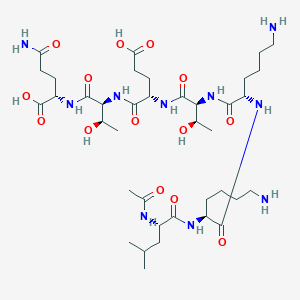
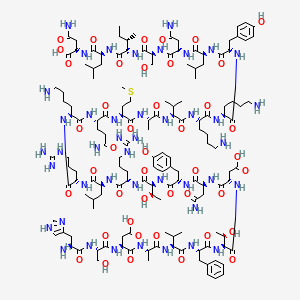
Recovery research in this category spans EPO-derived tissue protection (ARA-290), gastric-juice-derived and thymosin-derived tissue repair peptides (BPC-157, TB-500), melanocortin-fragment anti-inflammatory signaling (KPV), and broad neuropeptide signaling (VIP). This is also the category where the gap between preclinical popularity and human clinical evidence is most pronounced — BPC-157 and TB-500 in particular are widely discussed based almost entirely on animal and in-vitro data, a distinction worth understanding before drawing conclusions from either compound's research.
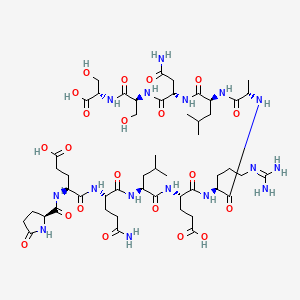
ARA-290 was engineered to reproduce a small structural motif of erythropoietin's tertiary fold — the helix B region — without activating the classical erythropoietin receptor homodimer, avoiding EPO's hematopoietic (red-cell-stimulating) effect. By engaging an EPOR/CD131 heterocomplex instead, it activates anti-inflammatory and cytoprotective signaling studied for neuronal and vascular tissue repair. A blinded, placebo-controlled human trial in patients with sarcoidosis-associated small nerve fiber damage reported improved neuropathic symptoms and increased corneal nerve fiber density after 28 days of dosing.
Explore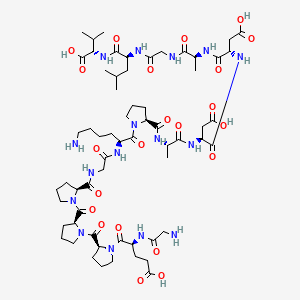
BPC-157 is a synthetic partial sequence derived from a peptide identified in human gastric juice. Preclinically, it accelerates healing of tendon, ligament, muscle, and gut tissue by promoting fibroblast and tenocyte migration, cell survival under oxidative stress, and new blood vessel formation. A 2025 systematic review screened 544 articles and found only 36 met inclusion criteria — 35 preclinical (animal) studies and exactly one small retrospective clinical case series. Published clinical safety data for BPC-157 remains absent; the evidence base is overwhelmingly animal and in-vitro.
HSS Journal · 2025
Reviewed 36 total studies (35 preclinical, 1 clinical) from 1993-2024; preclinical evidence supports musculoskeletal healing effects, but concluded clinical safety data are absent and no FDA approval exists.
View Source →Frontiers in Endocrinology · 2022
Reviews evidence that VIP stimulates insulin secretion via VPAC2 receptor activation and discusses VPAC2-selective agonists as potential diabetes therapeutics.
View Source →Biomedicines · 2021
In a rat myotendinous junction injury model, BPC-157 produced marked functional recovery and prevented muscle atrophy versus untreated controls.
View Source →Molecular Therapy · 2017
Hyaluronic-acid-functionalized nanoparticles delivered KPV to colonic tissue in a mouse ulcerative colitis model, outperforming free KPV in accelerating mucosal healing.
View Source →Molecular Medicine · 2013
A blinded, placebo-controlled trial of 28 days of daily subcutaneous ARA-290 in patients with sarcoidosis-associated nerve fiber loss reported significant improvement in neuropathic symptoms and increased corneal small nerve fiber density.
View Source →Drug Testing and Analysis · 2012
The paper that specifically characterizes the actual marketed TB-500 fragment via mass spectrometry, developed for anti-doping detection — not an efficacy or safety study.
View Source →Journal of Biochemistry · 2011
In mice, endogenous full-length thymosin beta-4 was upregulated early in regenerating muscle and promoted chemotaxis of myoblastic cells toward injury sites.
View Source →Journal of Applied Physiology · 2011
In rat tendon explant/fibroblast culture, BPC-157 accelerated tendon outgrowth, increased fibroblast survival under oxidative stress, and increased migration via FAK-paxillin pathway activation.
View Source →Gastroenterology · 2008
Demonstrated PepT1-dependent, melanocortin-receptor-independent uptake of KPV; nanomolar KPV inhibited NF-kB/MAPK activation and oral KPV reduced colitis incidence in mice.
View Source →Inflammatory Bowel Diseases · 2008
In mouse IBD models, KPV treatment produced earlier recovery, stronger regain of body weight, and reduced inflammatory infiltrates versus controls.
View Source →Proceedings of the National Academy of Sciences · 2008
Isolated the helix B region of EPO and derived ARA-290, tissue-protective across multiple animal injury models (stroke, retinal edema, nerve trauma) while lacking erythropoietic activity.
View Source →Peptides · 2007
Describes VIP as an endogenous anti-inflammatory neuropeptide that maintains immune tolerance by inducing regulatory T cells that suppress autoreactive effector cells.
View Source →Surgery Today · 2007
In rats, intraperitoneal BPC-157 improved anastomotic wound healing across macroscopic, histological, and biomechanical measures versus saline.
View Source →Journal of the National Cancer Institute · 2003
In a mouse tumor model, full-length thymosin-beta4-overexpressing tumor cells produced significantly larger tumors and more lung metastases than controls, linked to increased VEGF expression and angiogenesis.
View Source →Journal of Biological Chemistry · 2000
Mutagenesis of VIP identified residues critical for VPAC1 binding, and produced a VIP analogue over 1,000-fold selective for VPAC1 over VPAC2.
View Source →