
AOD-9604 is a synthetic 16-amino-acid fragment of the C-terminal end of human growth hormone (residues 177 to 191) with an added N-terminal tyrosine and a disulfide bond between its two cysteines. In ...
AOD-9604 is a synthetic 16-amino-acid fragment of the C-terminal end of human growth hormone (residues 177 to 191) with an added N-terminal tyrosine and a disulfide bond between its two cysteines. In obese mice and rats it increased fat oxidation and lipolysis and reduced body weight gain. It does not compete for the growth hormone receptor, and unlike intact growth hormone it did not cause hyperglycaemia, impair insulin sensitivity or drive cell proliferation in these studies. Its lipolytic effect is not mediated directly through the beta-3 adrenergic receptor, although treatment raised that receptor's expression.
Buy One, Get One FREE! The lowest-priced item in each pair is on us. Get up to 5 FREE items per order! Offer valid until November 30, 2026
Ann Clin Lab Sci · 2015
In a collagenase-induced knee osteoarthritis model in rabbits, weekly intra-articular AOD9604 lowered cartilage degeneration scores, and AOD9604 with hyaluronic acid outperformed either one alone.
View Source →Endocrinology · 2001
In obese mice, AOD9604 and hGH reduced body weight and body fat and raised beta-3 adrenergic receptor RNA. In beta-3 receptor knock-out mice, long-term treatment did not change body weight, so the lipolytic effect is not mediated directly through that receptor.
View Source →Int J Obes Relat Metab Disord · 2001
In obese ob/ob mice, 14 days of AOD9604 reduced body weight gain and increased fat oxidation and plasma glycerol, as hGH did. Unlike hGH, it caused no hyperglycaemia, did not compete for the hGH receptor and did not drive cell proliferation.
View Source →Horm Res · 2000
In obese Zucker rats, 19 days of oral AOD9604 (500 mcg/kg per day) cut body weight gain by more than 50% compared with controls and raised adipose lipolytic activity. Unlike chronic intact hGH, it did not impair insulin sensitivity on euglycemic clamp.
View Source →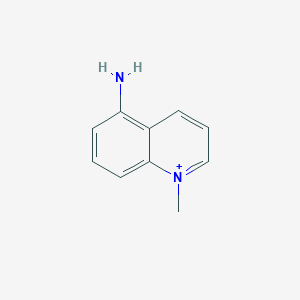
5-Amino-1MQ is a selective, membrane-permeable inhibitor of nicotinamide N-methyltransferase (NNMT), an enzyme that consumes SAM to methylate nicotinamide, depleting cellular SAM and NAD+ pools. Inhibiting NNMT raises intracellular SAM and NAD+ in adipocytes, suppressing lipogenesis and promoting fat oxidation in mouse models — reducing adiposity without reducing food intake. No human safety or efficacy data exist; the founding mouse study observed no adverse effects during short-term dosing, but that is a single short preclinical study, not a toxicology program.
Explore 5-Amino-1MQ
Cagrilintide is a long-acting synthetic amylin analogue that agonizes amylin (AMY1R/AMY3R) and calcitonin receptors, slowing gastric emptying and increasing satiety via hindbrain signaling. It is studied both alone and, more prominently, in combination with semaglutide, where it synergizes via complementary appetite pathways. In the Phase 3 REDEFINE 1 trial, the combination produced 20.4% mean weight reduction at 68 weeks versus 3.0% for placebo; gastrointestinal adverse events (nausea, vomiting, constipation) were the dominant safety finding, occurring in roughly 80% of combination-treated participants versus 40% on placebo, mostly mild-to-moderate.
Explore Cagrilintide
Retatrutide is a synthetic peptide engineered as a single-molecule agonist at three receptors: GLP-1R, GIPR, and the glucagon receptor (GCGR). Combined GLP-1/GIP agonism enhances glucose-dependent insulin secretion and satiety; the added glucagon receptor agonism is believed to increase energy expenditure and hepatic fat oxidation, proposed to explain the larger fat-mass reductions seen versus GLP-1-only or GLP-1/GIP dual-agonist therapies. In its Phase 2 obesity trial, the 12 mg dose produced up to 24.2% weight loss at 48 weeks versus placebo; gastrointestinal adverse events were the most common finding across trials, and a body-composition substudy found dose-dependent fat-mass reductions with relatively preserved lean mass.
Explore Retatrutide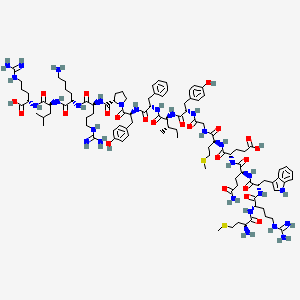
MOTS-c is a 16-amino-acid peptide encoded within the mitochondrial 12S rRNA gene — a "mitochondrial-derived peptide." It signals to skeletal muscle, suppressing folate-linked purine synthesis and activating AMPK; exercise induces endogenous MOTS-c, and exogenous dosing in mice mimics exercise-associated metabolic benefits including improved insulin sensitivity. No established human safety or dosing data exist for exogenous administration — human evidence to date is limited to measuring endogenous expression during exercise, not administering the peptide itself.
Explore MOTS-c
Tirzepatide simultaneously activates GIP and GLP-1 receptors on pancreatic beta cells and in the brain, enhancing glucose-dependent insulin secretion, suppressing glucagon, slowing gastric emptying, and reducing food intake. Structural studies show it activates GIPR similarly to native GIP but engages GLP-1R differently, producing less receptor desensitization than native GLP-1. It carries the same boxed warning for thyroid C-cell tumors as other drugs in its class. In the pivotal SURMOUNT-1 trial, mean weight reductions reached 22.5% at the highest dose versus 2.4% for placebo at 72 weeks; gastrointestinal adverse events, especially nausea, were significantly more common than with comparators across a 6-trial meta-analysis.
Explore Tirzepatide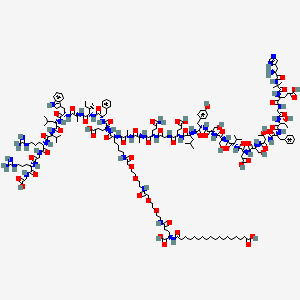
Semaglutide mimics endogenous GLP-1; an Aib8 substitution blocks DPP-4 degradation, and an albumin-binding fatty-diacid conjugate extends its half-life from roughly 2 minutes (native GLP-1) to about a week, enabling weekly dosing. It stimulates glucose-dependent insulin secretion, suppresses glucagon, slows gastric emptying, and reduces appetite via hypothalamic action. It carries a boxed warning for thyroid C-cell tumors based on rodent carcinogenicity data (human relevance undetermined) and is contraindicated with a personal or family history of medullary thyroid carcinoma or MEN 2. In the pivotal STEP 1 trial, it produced 14.9% mean weight reduction versus 2.4% for placebo at 68 weeks; the SELECT cardiovascular outcomes trial found a reduced composite rate of cardiovascular death, heart attack, or stroke in adults with obesity and existing cardiovascular disease.
Explore Semaglutide