Black Friday: buy any item. Get another on us. Get up to 5 FREE items per order!Start shopping
Elion Sciences
Shop FormulasSolutionsScienceMembership
Start Your Research
  1. Home
  2. /Research
  3. /Experts
  4. /Dr. Elizabeth Yurth, MD

Longevity physician and cellular-medicine educator

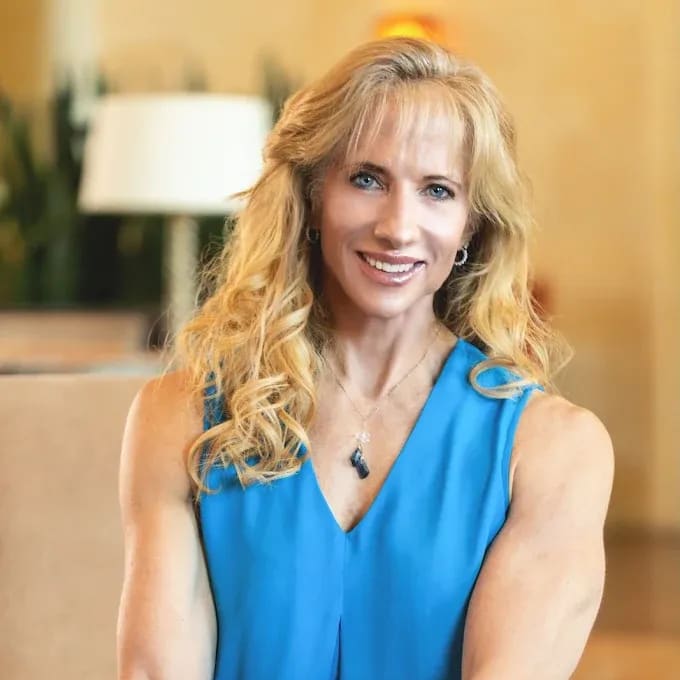
Dr. Elizabeth Yurth, MD

Elizabeth Yurth co-founded Boulder Longevity Institute. Her public work connects peptides, musculoskeletal health, hormone optimization, and cellular approaches to longevity.

  • LinkedIn
  • YouTube
  • Instagram
Dr. Elizabeth Yurth, MD, Longevity physician and cellular-medicine educator

About Dr. Elizabeth Yurth, MD

Elizabeth Yurth is a physician, educator, and co-founder of Boulder Longevity Institute, which she established with David Van Bussum in 2006. Her background spans physical medicine and rehabilitation, sports medicine, and spine care, with a career that has evolved from treating musculoskeletal injuries to practicing and teaching longevity and regenerative medicine.

Yurth earned her undergraduate degree in molecular and cellular biology at the University of Colorado and her medical degree at the University of Southern California’s Keck School of Medicine. She completed her residency in physical medicine and rehabilitation at UC Irvine, followed by fellowship training in spine, sports, and occupational medicine with the Stanford-affiliated SOAR group. She later pursued additional fellowship training in longevity and regenerative medicine and epigenetics.

Her clinical approach places joint and spine health within the broader context of cellular function, hormonal health, metabolism, nutrition, genetics, and chronic inflammation. This framework grew out of her experience treating orthopedic and sports injuries, where she increasingly focused on the physiological factors affecting recovery rather than the injured joint or tissue alone.

Yurth founded Human Optimization Academy and teaches clinicians through professional education programs, including the Seeds Scientific Research & Performance Institute. Her educational work addresses peptide therapeutics, mitochondrial biology, hormone optimization, repurposed medications, and regenerative approaches to musculoskeletal aging. Across her clinical practice, teaching, and public discussions, she connects cellular medicine with questions of joint degeneration, physical function, recovery, and healthspan.

Credentials

  • Co-founderBoulder Longevity Institute (works with Santa Clara University, Stanford Athletics, professional dancers, and the San Francisco 49ers)
  • FellowshipSOAR group (Stanford-affiliated)
  • Internship and residency (Physical medicine and rehabilitation)UC Irvine
  • MDKeck School of Medicine of USC
  • BS, molecular and cellular biologyUniversity of Colorado

Elsewhere on the web

  • Websiteboulderlongevity.com
  • Educational platformbli.academy

Appearances and interviews

  • Podcast

    Turning Back Time on Joint Degeneration with Dr. Elizabeth Yurth

    Well Beyond 40 · November 12, 2025

    Joint degeneration, inflammation, peptides, hormones, and other interventions.

    • Spotify
  • Podcast

    Episode 468 - Arthritis, Peptides and Repurpose Drugs | Dr. Elizabeth Yurth

    Get Lean Eat Clean · September 1, 2025

    Arthritis, hormone balance, and drug repurposing.

    • Apple Podcasts
  • Article

    Repurposed Drugs, Peptides and Anabolics for Weight Loss and Longevity with Dr. Elizabeth Yurth

    BLI · May 22, 2025

    Weight loss, peptides, anabolics, and repurposed medications.

    • Article
  • Video

    The Future of Longevity and Medicine (ft. Dr. Elizabeth Yurth) | SNH Podcast #79

    Smarter Not Harder · July 10, 2024

    Mitochondrial function, NAD, emerging treatments, and foundational health behaviors.

    • YouTube
  • Video

    Dr. Elizabeth Yurth - Providing Tomorrow's Medicine Today since 2006 at Boulder Longevity Institute

    Dr Elizabeth Yurth · January 19, 2023

    Career and institutional introduction.

    • YouTube
  • Article

    Roll with the Punches Podcast: Dr. Elizabeth Yurth - Supps, Fat Loss & Brain Optimisation

    BLI · January 12, 2022

    Fat loss, supplementation, and cognitive-health discussion.

    • Article

Research areas

Recovery & Tissue Repair Research

Recovery & Tissue Repair Research

The angiogenesis and tissue-repair signaling behind our recovery research line.

Explore
Weight Loss & Metabolic Function Research

Weight Loss & Metabolic Function Research

The incretin, amylin, and mitochondrial-metabolism research behind our weight loss research line.

Explore
Longevity & Cellular Defense Research

Longevity & Cellular Defense Research

The cellular defense and antioxidant chemistry behind our longevity research line.

Explore
Growth & Physical Performance Research

Growth & Physical Performance Research

The growth hormone axis and mitochondrial-metabolism research behind our physical performance line.

Explore
Focus & Cognitive Health Research

Focus & Cognitive Health Research

The neurotrophic and neuroendocrine signaling pathways behind our focus and cognitive health research line.

Explore

Compounds covered

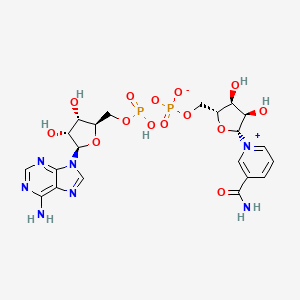
NAD+ (Nicotinamide Adenine Dinucleotide) 2D chemical structure

NAD+ (Nicotinamide Adenine Dinucleotide)

NAD+ is a coenzyme present in all living cells that shuttles electrons in the redox reactions central to glycolysis, the TCA cycle, and oxidative phosphorylation. It is also a consumed co-substrate for PARP enzymes during DNA base-excision repair and for sirtuins during protein deacetylation, linking cellular NAD+ availability to genome-stability maintenance and metabolic regulation. Cellular NAD+ levels decline with age. A systematic review of 8 randomized trials of the precursor NMN (342 participants) found no significant benefit on glucose, insulin, or lipid markers, and a separate review of 25 published human trials of the precursor NR concluded supplementation has shown few clinically relevant effects — an important gap between preclinical claims and confirmed human outcomes.

Explore NAD+ (Nicotinamide Adenine Dinucleotide)

Compounds in these research areas

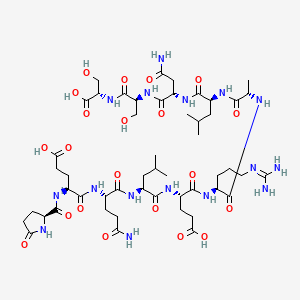
ARA-290 (Cibinetide) 2D chemical structure

ARA-290 (Cibinetide)

ARA-290 was engineered to reproduce a small structural motif of erythropoietin's tertiary fold — the helix B region — without activating the classical erythropoietin receptor homodimer, avoiding EPO's hematopoietic (red-cell-stimulating) effect. By engaging an EPOR/CD131 heterocomplex instead, it activates anti-inflammatory and cytoprotective signaling studied for neuronal and vascular tissue repair. A blinded, placebo-controlled human trial in patients with sarcoidosis-associated small nerve fiber damage reported improved neuropathic symptoms and increased corneal nerve fiber density after 28 days of dosing.

Explore ARA-290 (Cibinetide)
BPC-157 2D chemical structure

BPC-157

BPC-157 is a synthetic partial sequence derived from a peptide identified in human gastric juice. Preclinically, it accelerates healing of tendon, ligament, muscle, and gut tissue by promoting fibroblast and tenocyte migration, cell survival under oxidative stress, and new blood vessel formation. A 2025 systematic review screened 544 articles and found only 36 met inclusion criteria — 35 preclinical (animal) studies and exactly one small retrospective clinical case series. Published clinical safety data for BPC-157 remains absent; the evidence base is overwhelmingly animal and in-vitro.

Explore BPC-157
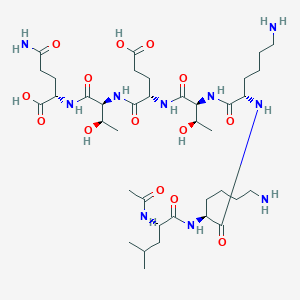
KPV 2D chemical structure

KPV

KPV is the C-terminal tripeptide fragment of alpha-melanocyte-stimulating hormone (residues 11-13). It is taken up into immune and intestinal epithelial cells via the PepT1 transporter, where nanomolar concentrations suppress NF-kB and MAP kinase-driven pro-inflammatory cytokine production — a mechanism shown to be independent of melanocortin receptors despite KPV's alpha-MSH lineage. It has been studied primarily in mouse models of inflammatory bowel disease; no published human clinical trial data was identified.

Explore KPV
TB-500 (Thymosin Beta-4 Fragment) 2D chemical structure

TB-500 (Thymosin Beta-4 Fragment)

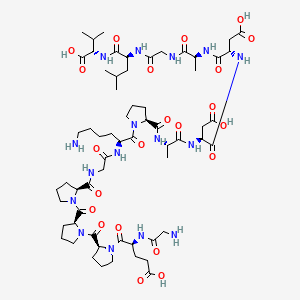
The marketed "TB-500" is a 7-residue fragment of the 43-amino-acid protein Thymosin Beta-4, but nearly all of the mechanistic and efficacy literature — angiogenesis, wound healing, and myoblast chemotaxis — was conducted with the full-length protein, not the fragment; only one identified study characterizes the fragment itself, and it is an analytical detection method paper, not an efficacy or safety study. Full-length Thymosin Beta-4 is an intracellular actin-monomer-binding protein that promotes cell migration and angiogenesis, partly via VEGF induction. This same pro-angiogenic mechanism has a documented dark side: full-length Tβ4-overexpressing tumor cells produced significantly larger tumors and more metastases in an animal cancer model, a legitimate mechanistic safety consideration given TB-500 is marketed on the identical mechanism.

Explore TB-500 (Thymosin Beta-4 Fragment)
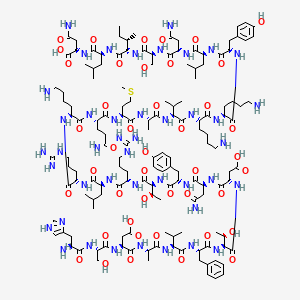
VIP (Vasoactive Intestinal Peptide) 2D chemical structure

VIP (Vasoactive Intestinal Peptide)

VIP binds VPAC1 and VPAC2, class B G-protein-coupled receptors that classically activate adenylate cyclase and raise intracellular cAMP. Through this signaling it modulates neural, gastrointestinal, immune, endocrine, and circadian processes; in pancreatic beta cells, VPAC2 activation triggers cAMP/PKA-mediated closure of ATP-sensitive potassium channels and subsequent insulin secretion, and VIP has also been studied as an endogenous anti-inflammatory neuropeptide that helps maintain immune tolerance.

Explore VIP (Vasoactive Intestinal Peptide)
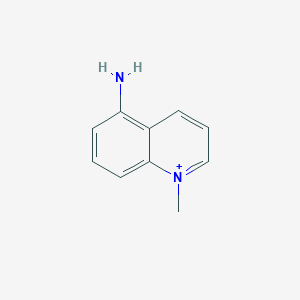
5-Amino-1MQ 2D chemical structure

5-Amino-1MQ

5-Amino-1MQ is a selective, membrane-permeable inhibitor of nicotinamide N-methyltransferase (NNMT), an enzyme that consumes SAM to methylate nicotinamide, depleting cellular SAM and NAD+ pools. Inhibiting NNMT raises intracellular SAM and NAD+ in adipocytes, suppressing lipogenesis and promoting fat oxidation in mouse models — reducing adiposity without reducing food intake. No human safety or efficacy data exist; the founding mouse study observed no adverse effects during short-term dosing, but that is a single short preclinical study, not a toxicology program.

Explore 5-Amino-1MQ

More experts

View all experts
Dr. Nick Norwitz, MD, PhD, Metabolic-health researcher and science educator.

Dr. Nick Norwitz, MD, PhD

Metabolic-health researcher and science educator.

Nick Norwitz is a Harvard-trained MD and Oxford-trained PhD who publishes metabolic-health research and peptide explainers through StayCurious Metabolism and YouTube.

View Dr. Nick Norwitz, MD, PhD
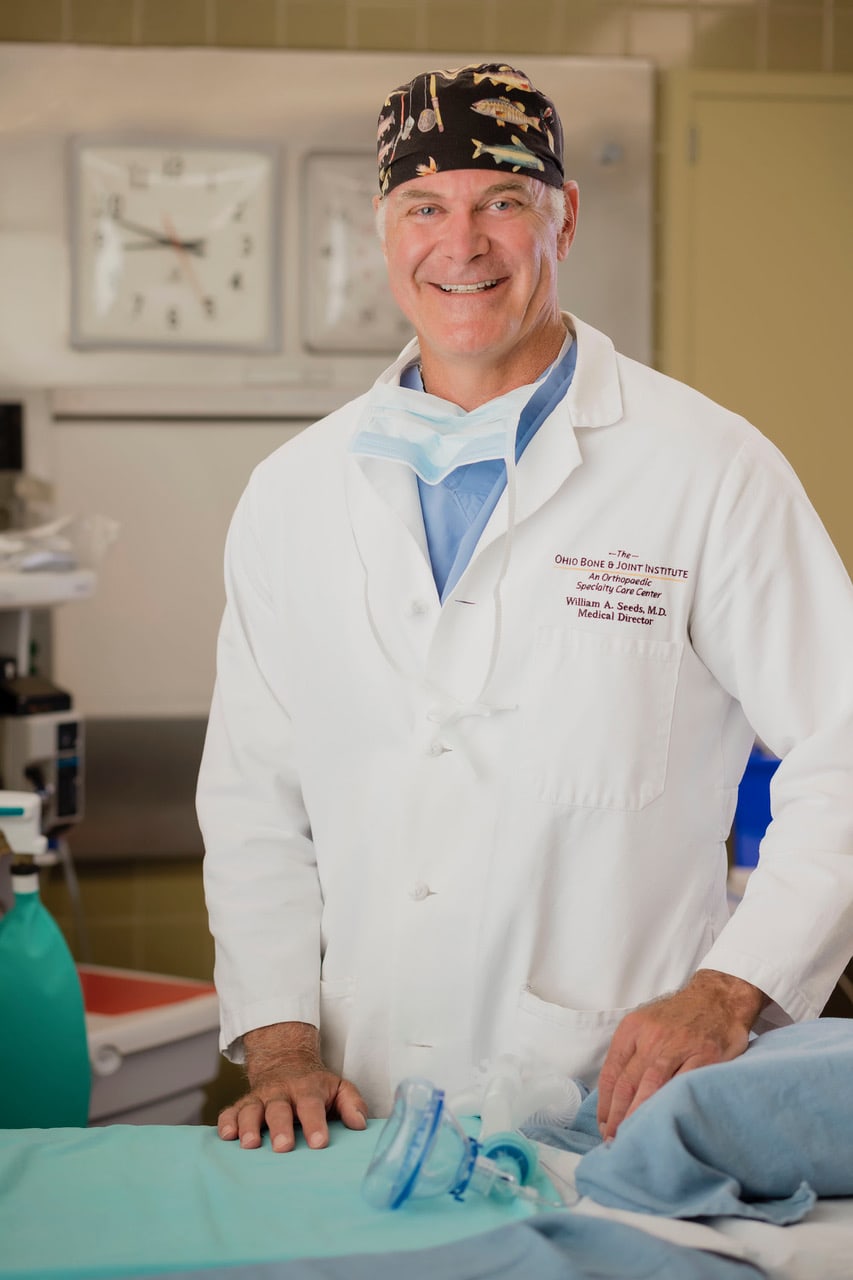
Dr. William A. Seeds, MD, Orthopedic surgeon and cellular-medicine educator

Dr. William A. Seeds, MD

Orthopedic surgeon and cellular-medicine educator

William Seeds is an orthopedic surgeon, founder of SSRP Institute, author of Peptide Protocols, and an educator on peptides, cellular medicine, and performance.

View Dr. William A. Seeds, MD
Dr. Peter Attia, MD, Physician, longevity educator, and podcast host.

Dr. Peter Attia, MD

Physician, longevity educator, and podcast host.

Peter Attia founded Early Medical and hosts The Peter Attia Drive. His peptide coverage examines clinical evidence, metabolic drugs, safety, and gray-market claims.

View Dr. Peter Attia, MD
Dr. Abud Bakri, MD, Internal medicine physician and medical educator

Dr. Abud Bakri, MD

Internal medicine physician and medical educator

Abud Bakri is a physician and medical director at The Systems. His public peptide education addresses mechanisms, sourcing, safety, metabolic drugs, and evidence interpretation.

View Dr. Abud Bakri, MD

The views expressed by the experts featured here are entirely their own and do not constitute medical advice.

Last updated November 2, 2026

Black Friday: buy any item. Get another on us. Get up to 5 FREE items per order!Start shopping

Buy One, Get One FREE! The lowest-priced item in each pair is on us. Get up to 5 FREE items per order! Offer valid until November 30, 2026
Offer terms

  • Buy One, Get One FREE! The lowest-priced item in each pair is on us.
  • Get up to 5 FREE items per order!
  • Reconstitution supplies are not included.
  • This offer can't be combined with other promotions.
  • Offer valid until November 30, 2026
Elion Sciences
Connect
Need Assistance?

Our team is available Monday to Friday, from 9am – 5pm ET excluding Canadian statutory holidays.

Email us at: hello@elionsciences.com

Refer a ResearcherGift 3,000 points to a new researcher. After their first order, you'll receive 5,000 points as our thank you.
Shop All FormulasWhy Elion SciencesThe Science of PeptidesPeptide Quality Reports (CoAs)Leave Us a Review
Refund PolicyAccessibilityRewards Terms Research Use Disclaimer

Quality scores reflect both internal and external independent lab evaluations conducted on each production batch. Individual batch results are available in each product's Quality Report.

Every batch is traceable from synthesis to vial: we record origin, synthesis date, and purity content at intake, then screen each lot for solvent residue, heavy metals, and microbial safety before it's cleared to ship.

99% Purity - Trusted by leading Canadian researchers

Products sold on this website are for laboratory research use only.

Research Solutions
  • Recovery & Tissue Repair Research
  • Weight Loss & Metabolic Function Research
  • Longevity & Cellular Defense Research
  • Growth & Physical Performance Research
  • Aesthetics & Skin Remodeling Research
  • Focus & Cognitive Health Research
  • Explore Research →
Featured Research Hubs
  • Calgary
  • Edmonton
  • Halifax
  • Hamilton
  • Kingston
  • London
  • Montreal
  • Ottawa
  • Quebec City
  • Saskatoon
  • Toronto
  • Vancouver
  • Waterloo
  • Winnipeg
  • Explore The Canadain Research Landscape →
Terms of ServicePrivacy PolicyShipping Policy
© 2026 Elion Sciences. All Rights Reserved.Shipped from Mississauga, Ontario, Canada