Nick Norwitz, MD, PhD, is a researcher and science educator whose work spans metabolism, nutrition, neuroscience, cholesterol biology, and emerging therapeutics. He publishes StayCurious Metabolism and produces educational videos that translate scientific research into explanations of biological mechanisms, clinical findings, and unresolved questions. His research background includes laboratory work and clinical studies, with continuing involvement in study development and scientific publishing.
Norwitz graduated as Dartmouth College’s valedictorian in 2018, majoring in cell biology and biochemistry. He completed his doctorate in metabolism at the University of Oxford in 2021 before earning his medical degree at Harvard Medical School. He chose to pursue research and multimedia education rather than residency training, building a career focused on metabolic-health research and public communication.
His research interests include ketone metabolism in neurodegenerative disease, ketogenic and metabolic therapies, and cholesterol regulation. His doctoral work examined ketone metabolism in Parkinson’s and Alzheimer’s diseases, while his subsequent research has included the Lean Mass Hyper-Responder phenotype and its implications for understanding cholesterol metabolism and cardiovascular risk.
Norwitz’s peptide education covers tesamorelin, MOTS-c, SS-31, BPC-157, KPV, GHK-Cu, Semax, Selank, and GLP-1 therapies. His articles and videos connect these compounds with questions about mitochondrial function, inflammation, recovery, cognition, and body composition. His coverage combines analysis of published research with commentary on emerging applications and, in some cases, disclosed personal experimentation. Across these subjects, his role is that of a researcher and public educator, distinct from a clinician prescribing peptide protocols or a trial investigator validating every compound he discusses.
StayCurious Metabolism ·
Introduces Semax and Selank, discusses proposed neurobiological mechanisms, and includes a personal-use account.
StayCurious Metabolism ·
Explains copper-peptide biology and distinguishes discussions of topical applications from systemic use and broader aging claims.
StayCurious Metabolism ·
Discusses KPV, intestinal transport mechanisms, and inflammation research, alongside the author’s experience of inflammatory bowel disease.
StayCurious Metabolism ·
Examines the disagreement surrounding BPC-157, using animal findings, user accounts, and questions about the strength of available evidence.
StayCurious Metabolism ·
Introduces SS-31, cardiolipin, Barth syndrome research, and proposed directions for mitochondrial medicine.
StayCurious Metabolism ·
Introduces MOTS-c research and distinguishes preclinical performance questions from the author’s planned personal experiment.
StayCurious Metabolism ·
Reviews tesamorelin studies and explains the HIV-associated lipodystrophy context before discussing wider interest in the compound.
The Doctor’s Kitchen ·
Discusses ketogenic diets, lipid metabolism, and metabolic health.
University of Oxford, Department of Physiology, Anatomy and Genetics

The angiogenesis and tissue-repair signaling behind our recovery research line.
Explore
The incretin, amylin, and mitochondrial-metabolism research behind our weight loss research line.
Explore
The cellular defense and antioxidant chemistry behind our longevity research line.
Explore
The growth hormone axis and mitochondrial-metabolism research behind our physical performance line.
Explore
The copper-peptide and melanocortin chemistry behind our skin remodeling research line.
Explore
The neurotrophic and neuroendocrine signaling pathways behind our focus and cognitive health research line.
Explore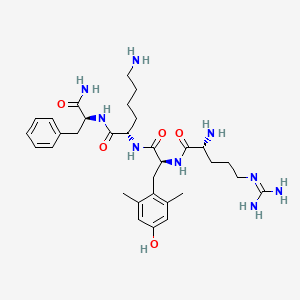
SS-31 is a cell-permeable aromatic-cationic tetrapeptide that concentrates in the inner mitochondrial membrane, proposed to bind and stabilize cardiolipin, preserving cristae structure and electron transport chain organization and reducing reactive oxygen species production. Its clinical trial history is a useful, honest case study in mixed results: it improved 6-minute walk distance and fatigue in Barth syndrome (the basis for its 2025 approval), but did not significantly improve left ventricular function in a heart failure trial (PROGRESS-HF) or meet its primary endpoints in a primary mitochondrial myopathy trial (MMPOWER-3) — it was generally well tolerated across all of these, with injection-site reactions as the most frequent adverse event.
Explore SS-31 (Elamipretide)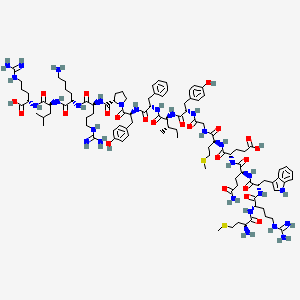
MOTS-c is a 16-amino-acid peptide encoded within the mitochondrial 12S rRNA gene — a "mitochondrial-derived peptide." It signals to skeletal muscle, suppressing folate-linked purine synthesis and activating AMPK; exercise induces endogenous MOTS-c, and exogenous dosing in mice mimics exercise-associated metabolic benefits including improved insulin sensitivity. No established human safety or dosing data exist for exogenous administration — human evidence to date is limited to measuring endogenous expression during exercise, not administering the peptide itself.
Explore MOTS-c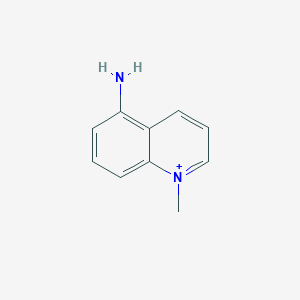
5-Amino-1MQ is a selective, membrane-permeable inhibitor of nicotinamide N-methyltransferase (NNMT), an enzyme that consumes SAM to methylate nicotinamide, depleting cellular SAM and NAD+ pools. Inhibiting NNMT raises intracellular SAM and NAD+ in adipocytes, suppressing lipogenesis and promoting fat oxidation in mouse models — reducing adiposity without reducing food intake. No human safety or efficacy data exist; the founding mouse study observed no adverse effects during short-term dosing, but that is a single short preclinical study, not a toxicology program.
Explore 5-Amino-1MQ
KPV is the C-terminal tripeptide fragment of alpha-melanocyte-stimulating hormone (residues 11-13). It is taken up into immune and intestinal epithelial cells via the PepT1 transporter, where nanomolar concentrations suppress NF-kB and MAP kinase-driven pro-inflammatory cytokine production — a mechanism shown to be independent of melanocortin receptors despite KPV's alpha-MSH lineage. It has been studied primarily in mouse models of inflammatory bowel disease; no published human clinical trial data was identified.
Explore KPV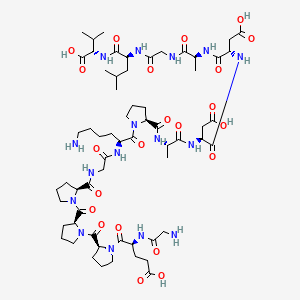
BPC-157 is a synthetic partial sequence derived from a peptide identified in human gastric juice. Preclinically, it accelerates healing of tendon, ligament, muscle, and gut tissue by promoting fibroblast and tenocyte migration, cell survival under oxidative stress, and new blood vessel formation. A 2025 systematic review screened 544 articles and found only 36 met inclusion criteria — 35 preclinical (animal) studies and exactly one small retrospective clinical case series. Published clinical safety data for BPC-157 remains absent; the evidence base is overwhelmingly animal and in-vitro.
Explore BPC-157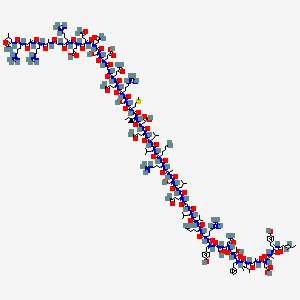
Tesamorelin is the full 44-amino-acid sequence of human growth hormone-releasing hormone with an N-terminal hexenoyl modification that confers resistance to DPP-IV-mediated degradation, extending its half-life relative to native GHRH. It binds the pituitary GHRH receptor to stimulate endogenous GH/IGF-1 axis activity, and has been studied specifically, and successfully in pivotal human trials, for reducing visceral adipose tissue.
Explore Tesamorelin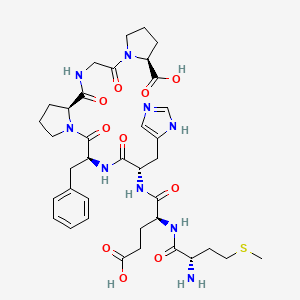
Semax is a synthetic heptapeptide derived from the ACTH(4-7) sequence with an added Pro-Gly-Pro tail, studied predominantly in rodent models of cerebral ischemia and in human neuroimaging studies of brain connectivity. Proposed mechanisms include modulation of neurotrophic signaling, altered hippocampal calcium dynamics, and immune/vascular gene-expression changes in ischemic brain tissue — distinct from ACTH's classical corticotropic hormone activity, which the sequence used here lacks.
Explore Semax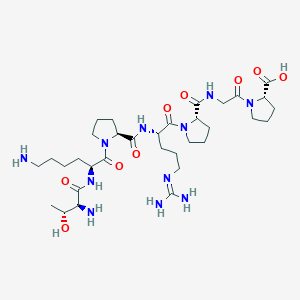
Selank is a synthetic, metabolically stabilized extension of the natural immunomodulatory tetrapeptide tuftsin, studied primarily in rodent models of anxiety, stress, and cognition. Proposed mechanisms include upregulation of hippocampal and prefrontal cortical BDNF, modulation of GABAergic signaling, and inhibition of enzymes that degrade endogenous enkephalins. Human data is limited to a single small resting-state fMRI study.
Explore Selank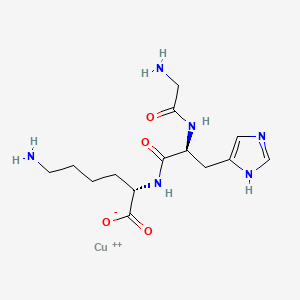
GHK-Cu is a naturally occurring copper-binding tripeptide whose plasma concentration declines with age. In dermal fibroblast and keratinocyte research, it stimulates collagen and glycosaminoglycan synthesis, promotes angiogenesis, and has chemotactic effects on immune cells, and it has been shown to influence broad gene-expression programs linked to tissue remodeling and wound repair.
Explore GHK-Cu
Internal medicine physician and medical educator
Abud Bakri is a physician and medical director at The Systems. His public peptide education addresses mechanisms, sourcing, safety, metabolic drugs, and evidence interpretation.
View Dr. Abud Bakri, MD
Family physician, peptide educator, and author
Suzanne Ferree is senior physician at Vine Medical Associates and author of Counterclockwise. Her work includes peptide education, hormones, neural therapy, and longevity medicine.
View Dr. Suzanne J. Ferree, MD, FAARM, ABAARM
Founder and Medical Director, PearlMD Rejuvenation
Jennifer Pearlman leads PearlMD Rejuvenation in Toronto. Her work connects women’s health, hormones, regenerative medicine, peptides and longevity.
View Dr. Jennifer Pearlman, MD
Orthopedic Surgeon and Founder, Human 2.0
Chris Raynor is an Ottawa orthopedic surgeon and founder of Human 2.0. He discusses peptide evidence, injury recovery and product-quality risks through videos and The Ortho-POD.
View Dr. Chris Raynor, MD, FRCSCThe views expressed by the experts featured here are entirely their own and do not constitute medical advice.
Last updated
Buy One, Get One FREE! The lowest-priced item in each pair is on us. Get up to 5 FREE items per order! Offer valid until November 30, 2026