Black Friday: buy any item. Get another on us. Get up to 5 FREE items per order!Start shopping
Elion Sciences
Shop FormulasSolutionsScienceMembership
Start Your Research
  1. Home
  2. /Research
  3. /Experts
  4. /Dr. Suzanne J. Ferree, MD, FAARM, ABAARM

Family physician, peptide educator, and author

Dr. Suzanne J. Ferree, MD, FAARM, ABAARM

Suzanne Ferree is senior physician at Vine Medical Associates and author of Counterclockwise. Her work includes peptide education, hormones, neural therapy, and longevity medicine.

  • LinkedIn
Dr. Suzanne J. Ferree, MD, FAARM, ABAARM, Family physician, peptide educator, and author

About Dr. Suzanne J. Ferree, MD, FAARM, ABAARM

Suzanne J. Ferree, MD, is a physician, educator, and author who serves as senior physician at Vine Medical Associates in Roswell, Georgia. She holds board certifications in family medicine and anti-aging and regenerative medicine. Her teaching experience spans medical students, residents, and practicing physicians, with faculty roles at Emory University and professional education organizations including A4M, IPS, ACAM, and SSRP.

Ferree’s clinical work integrates peptide therapy, bioidentical hormones, neural therapy, and regenerative medicine within individualized care plans. Her practice encompasses patients with endocrine, mitochondrial, infectious, autoimmune, and neurodegenerative conditions, alongside those seeking support for physical performance and healthy aging. Her educational work connects cellular medicine with muscle maintenance, body composition, recovery, and age-related changes in function.

She is the author of Counterclockwise: Using Peptides to Renew, Rejuvenate, and Rediscover, a consumer-facing introduction to peptides and their applications in her clinical practice. Through professional presentations and podcast appearances, she discusses peptide therapeutics, hormonal health, and the relationship between cellular function and aging.

Ferree is also a part-owner and scientific adviser to Vitali Skincare, a company whose products include the copper peptide GHK-Cu. This commercial role extends her peptide work into topical skincare, a subject she addresses in public discussions of formulation, skin aging, and peptide delivery.

Credentials

  • CEO/Senior physicianVine Medical Associates
  • FacultyEmory University
  • Part-ownerVitali Skincare
  • MD, FAARM, ABAARM

Elsewhere on the web

  • Websitevinemedical.com

Appearances and interviews

  • Video

    Dr. Suzanne Ferree: Clockwise Longevity with Peptides & HRT

    Medical Health Institute · April 10, 2026

    BPC-157, KPV, hormones, muscle, and body composition.

    • YouTube
  • Meet 51 yr old Dr. Suzanne Ferree! Medical Doctor, Peptide Expert and Author

    Age Is Irrelevant · July 9, 2024

    Career, longevity medicine, and peptide education.

    • iheart.com
  • Video

    Dr. Suzanne Ferree & Debbie Barber I Ep #230

    Nathalie Niddam · April 26, 2024

    GHK-Cu and skincare; educational and commercial context.

    • YouTube
  • Video

    Using Peptides to Reney, Rejuvenate and Rediscover

    Super Human Radio · February 1, 2024

    Discussion of Ferree’s peptide book.

    • YouTube
  • Muscle as the Currency of Aging

    MedMasters (Presentation) · January 1, 2024

    Muscle physiology, athletic needs, and peptide combinations.

    • medmasters.org
  • Training - All Things Peptides

    MedMasters (Course)

    Ferree’s physical-conditioning and peptide-stacking teaching.

    • medmasters.org

Research areas

Recovery & Tissue Repair Research

Recovery & Tissue Repair Research

The angiogenesis and tissue-repair signaling behind our recovery research line.

Explore
Longevity & Cellular Defense Research

Longevity & Cellular Defense Research

The cellular defense and antioxidant chemistry behind our longevity research line.

Explore
Growth & Physical Performance Research

Growth & Physical Performance Research

The growth hormone axis and mitochondrial-metabolism research behind our physical performance line.

Explore
Aesthetics & Skin Remodeling Research

Aesthetics & Skin Remodeling Research

The copper-peptide and melanocortin chemistry behind our skin remodeling research line.

Explore
Focus & Cognitive Health Research

Focus & Cognitive Health Research

The neurotrophic and neuroendocrine signaling pathways behind our focus and cognitive health research line.

Explore
Compounds covered

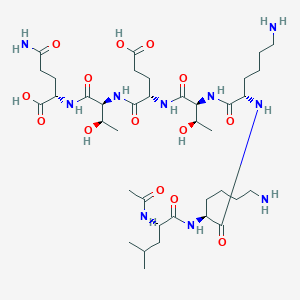
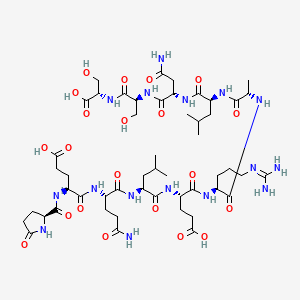
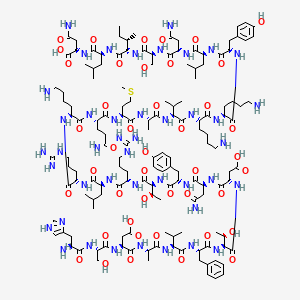
TB-500 (Thymosin Beta-4 Fragment) 2D chemical structure

TB-500 (Thymosin Beta-4 Fragment)

The marketed "TB-500" is a 7-residue fragment of the 43-amino-acid protein Thymosin Beta-4, but nearly all of the mechanistic and efficacy literature — angiogenesis, wound healing, and myoblast chemotaxis — was conducted with the full-length protein, not the fragment; only one identified study characterizes the fragment itself, and it is an analytical detection method paper, not an efficacy or safety study. Full-length Thymosin Beta-4 is an intracellular actin-monomer-binding protein that promotes cell migration and angiogenesis, partly via VEGF induction. This same pro-angiogenic mechanism has a documented dark side: full-length Tβ4-overexpressing tumor cells produced significantly larger tumors and more metastases in an animal cancer model, a legitimate mechanistic safety consideration given TB-500 is marketed on the identical mechanism.

Explore TB-500 (Thymosin Beta-4 Fragment)
KPV 2D chemical structure

KPV

KPV is the C-terminal tripeptide fragment of alpha-melanocyte-stimulating hormone (residues 11-13). It is taken up into immune and intestinal epithelial cells via the PepT1 transporter, where nanomolar concentrations suppress NF-kB and MAP kinase-driven pro-inflammatory cytokine production — a mechanism shown to be independent of melanocortin receptors despite KPV's alpha-MSH lineage. It has been studied primarily in mouse models of inflammatory bowel disease; no published human clinical trial data was identified.

Explore KPV
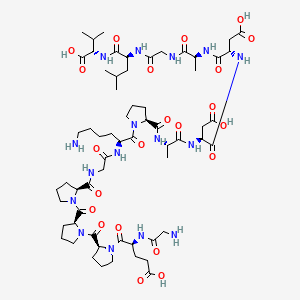
BPC-157 2D chemical structure

BPC-157

BPC-157 is a synthetic partial sequence derived from a peptide identified in human gastric juice. Preclinically, it accelerates healing of tendon, ligament, muscle, and gut tissue by promoting fibroblast and tenocyte migration, cell survival under oxidative stress, and new blood vessel formation. A 2025 systematic review screened 544 articles and found only 36 met inclusion criteria — 35 preclinical (animal) studies and exactly one small retrospective clinical case series. Published clinical safety data for BPC-157 remains absent; the evidence base is overwhelmingly animal and in-vitro.

Explore BPC-157
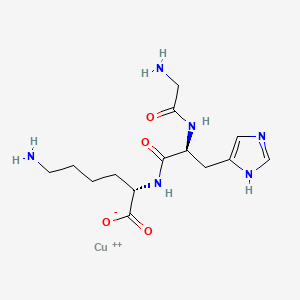
GHK-Cu 2D chemical structure

GHK-Cu

GHK-Cu is a naturally occurring copper-binding tripeptide whose plasma concentration declines with age. In dermal fibroblast and keratinocyte research, it stimulates collagen and glycosaminoglycan synthesis, promotes angiogenesis, and has chemotactic effects on immune cells, and it has been shown to influence broad gene-expression programs linked to tissue remodeling and wound repair.

Explore GHK-Cu

Compounds in these research areas

ARA-290 (Cibinetide) 2D chemical structure

ARA-290 (Cibinetide)

ARA-290 was engineered to reproduce a small structural motif of erythropoietin's tertiary fold — the helix B region — without activating the classical erythropoietin receptor homodimer, avoiding EPO's hematopoietic (red-cell-stimulating) effect. By engaging an EPOR/CD131 heterocomplex instead, it activates anti-inflammatory and cytoprotective signaling studied for neuronal and vascular tissue repair. A blinded, placebo-controlled human trial in patients with sarcoidosis-associated small nerve fiber damage reported improved neuropathic symptoms and increased corneal nerve fiber density after 28 days of dosing.

Explore ARA-290 (Cibinetide)
VIP (Vasoactive Intestinal Peptide) 2D chemical structure

VIP (Vasoactive Intestinal Peptide)

VIP binds VPAC1 and VPAC2, class B G-protein-coupled receptors that classically activate adenylate cyclase and raise intracellular cAMP. Through this signaling it modulates neural, gastrointestinal, immune, endocrine, and circadian processes; in pancreatic beta cells, VPAC2 activation triggers cAMP/PKA-mediated closure of ATP-sensitive potassium channels and subsequent insulin secretion, and VIP has also been studied as an endogenous anti-inflammatory neuropeptide that helps maintain immune tolerance.

Explore VIP (Vasoactive Intestinal Peptide)
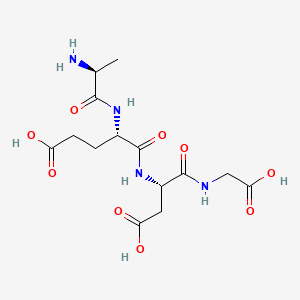
Epitalon (Epithalon) 2D chemical structure

Epitalon (Epithalon)

Epitalon (the AEDG tetrapeptide) has been studied for inducing telomerase catalytic-subunit expression and telomere elongation in telomerase-negative human fibroblast cultures, and for normalizing circadian melatonin and cortisol secretion in aged primates. Molecular modeling suggests it may bind histone H1 sites to epigenetically regulate transcription. Its telomerase-inducing effect raises a theoretical oncogenesis concern — telomerase reactivation is a hallmark of many cancers — though the origin research group's own animal work reports decreased experimental carcinogenesis with treatment, a tension not yet independently resolved outside that group. No completed human clinical safety trials were identified; the evidence base is limited to in vitro and animal studies from a small number of research groups.

Explore Epitalon (Epithalon)
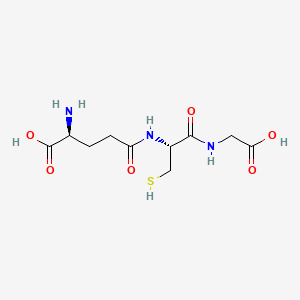
Glutathione 2D chemical structure

Glutathione

Glutathione is the most abundant intracellular low-molecular-weight thiol and the major cellular redox buffer, serving as the essential cofactor for glutathione peroxidase (neutralizing peroxides) and glutathione-S-transferases (hepatic xenobiotic conjugation and clearance). A randomized, placebo-controlled trial of IV glutathione in Parkinson's disease found it well tolerated with no significant difference in adverse events from placebo, but no statistically significant motor-symptom benefit. IV glutathione used off-label for skin lightening has documented adverse effects sufficient to prompt a public regulatory warning against that specific use.

Explore Glutathione
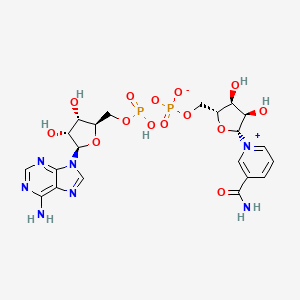
NAD+ (Nicotinamide Adenine Dinucleotide) 2D chemical structure

NAD+ (Nicotinamide Adenine Dinucleotide)

NAD+ is a coenzyme present in all living cells that shuttles electrons in the redox reactions central to glycolysis, the TCA cycle, and oxidative phosphorylation. It is also a consumed co-substrate for PARP enzymes during DNA base-excision repair and for sirtuins during protein deacetylation, linking cellular NAD+ availability to genome-stability maintenance and metabolic regulation. Cellular NAD+ levels decline with age. A systematic review of 8 randomized trials of the precursor NMN (342 participants) found no significant benefit on glucose, insulin, or lipid markers, and a separate review of 25 published human trials of the precursor NR concluded supplementation has shown few clinically relevant effects — an important gap between preclinical claims and confirmed human outcomes.

Explore NAD+ (Nicotinamide Adenine Dinucleotide)
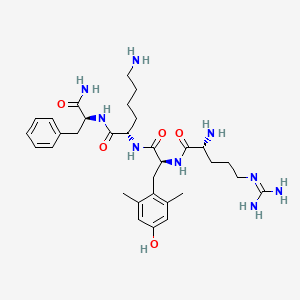
SS-31 (Elamipretide) 2D chemical structure

SS-31 (Elamipretide)

SS-31 is a cell-permeable aromatic-cationic tetrapeptide that concentrates in the inner mitochondrial membrane, proposed to bind and stabilize cardiolipin, preserving cristae structure and electron transport chain organization and reducing reactive oxygen species production. Its clinical trial history is a useful, honest case study in mixed results: it improved 6-minute walk distance and fatigue in Barth syndrome (the basis for its 2025 approval), but did not significantly improve left ventricular function in a heart failure trial (PROGRESS-HF) or meet its primary endpoints in a primary mitochondrial myopathy trial (MMPOWER-3) — it was generally well tolerated across all of these, with injection-site reactions as the most frequent adverse event.

Explore SS-31 (Elamipretide)

More experts

View all experts
Dr. Nick Norwitz, MD, PhD, Metabolic-health researcher and science educator.

Dr. Nick Norwitz, MD, PhD

Metabolic-health researcher and science educator.

Nick Norwitz is a Harvard-trained MD and Oxford-trained PhD who publishes metabolic-health research and peptide explainers through StayCurious Metabolism and YouTube.

View Dr. Nick Norwitz, MD, PhD
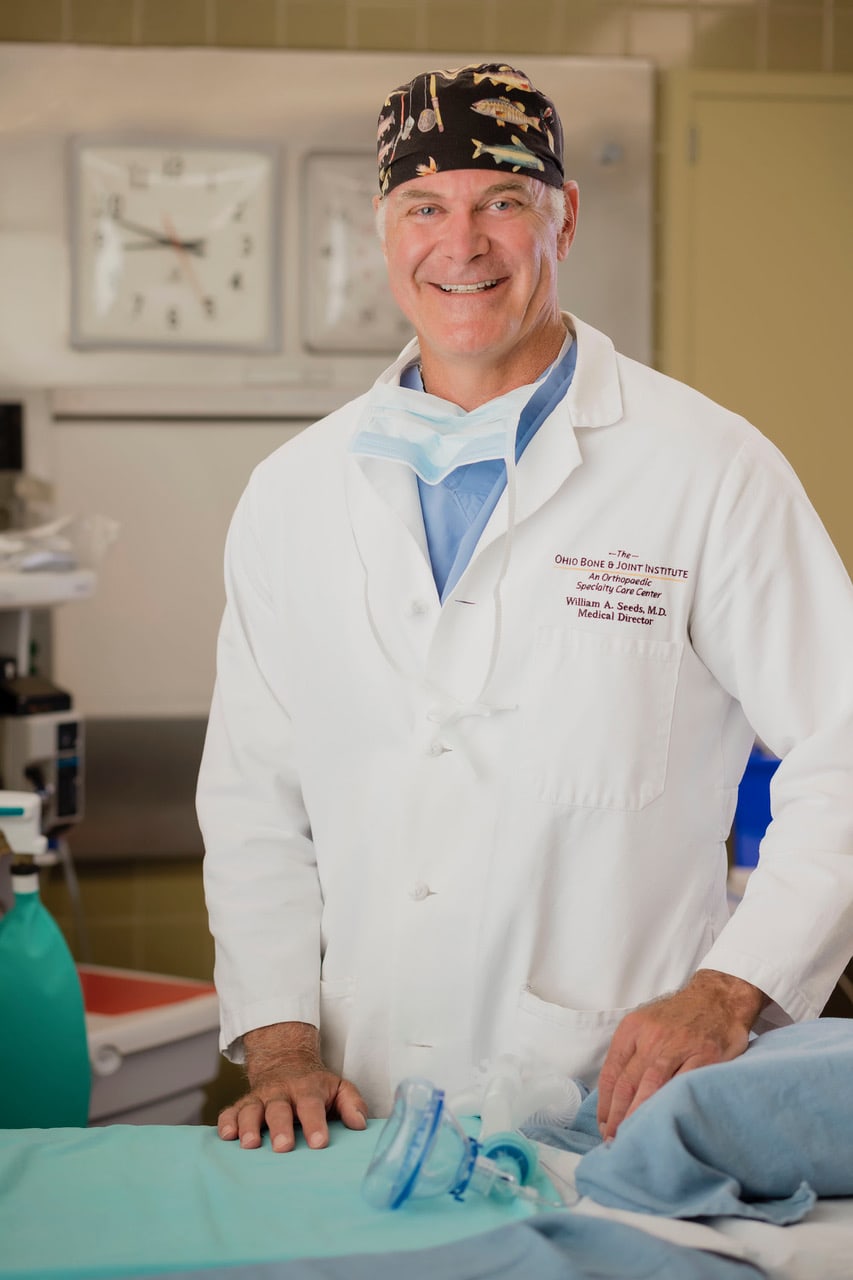
Dr. William A. Seeds, MD, Orthopedic surgeon and cellular-medicine educator

Dr. William A. Seeds, MD

Orthopedic surgeon and cellular-medicine educator

William Seeds is an orthopedic surgeon, founder of SSRP Institute, author of Peptide Protocols, and an educator on peptides, cellular medicine, and performance.

View Dr. William A. Seeds, MD
Dr. Abud Bakri, MD, Internal medicine physician and medical educator

Dr. Abud Bakri, MD

Internal medicine physician and medical educator

Abud Bakri is a physician and medical director at The Systems. His public peptide education addresses mechanisms, sourcing, safety, metabolic drugs, and evidence interpretation.

View Dr. Abud Bakri, MD

Dr. Chris Raynor, MD, FRCSC, Orthopedic Surgeon and Founder, Human 2.0

Dr. Chris Raynor, MD, FRCSC

Orthopedic Surgeon and Founder, Human 2.0

Chris Raynor is an Ottawa orthopedic surgeon and founder of Human 2.0. He discusses peptide evidence, injury recovery and product-quality risks through videos and The Ortho-POD.

View Dr. Chris Raynor, MD, FRCSC

The views expressed by the experts featured here are entirely their own and do not constitute medical advice.

Last updated November 2, 2026

Black Friday: buy any item. Get another on us. Get up to 5 FREE items per order!Start shopping

Buy One, Get One FREE! The lowest-priced item in each pair is on us. Get up to 5 FREE items per order! Offer valid until November 30, 2026
Offer terms

  • Buy One, Get One FREE! The lowest-priced item in each pair is on us.
  • Get up to 5 FREE items per order!
  • Reconstitution supplies are not included.
  • This offer can't be combined with other promotions.
  • Offer valid until November 30, 2026
Elion Sciences
Connect
Need Assistance?

Our team is available Monday to Friday, from 9am – 5pm ET excluding Canadian statutory holidays.

Email us at: hello@elionsciences.com

Refer a ResearcherGift 3,000 points to a new researcher. After their first order, you'll receive 5,000 points as our thank you.
Shop All FormulasWhy Elion SciencesThe Science of PeptidesPeptide Quality Reports (CoAs)Leave Us a Review
Refund PolicyAccessibilityRewards Terms Research Use Disclaimer

Quality scores reflect both internal and external independent lab evaluations conducted on each production batch. Individual batch results are available in each product's Quality Report.

Every batch is traceable from synthesis to vial: we record origin, synthesis date, and purity content at intake, then screen each lot for solvent residue, heavy metals, and microbial safety before it's cleared to ship.

99% Purity - Trusted by leading Canadian researchers

Products sold on this website are for laboratory research use only.

Research Solutions
  • Recovery & Tissue Repair Research
  • Weight Loss & Metabolic Function Research
  • Longevity & Cellular Defense Research
  • Growth & Physical Performance Research
  • Aesthetics & Skin Remodeling Research
  • Focus & Cognitive Health Research
  • Explore Research →
Featured Research Hubs
  • Calgary
  • Edmonton
  • Halifax
  • Hamilton
  • Kingston
  • London
  • Montreal
  • Ottawa
  • Quebec City
  • Saskatoon
  • Toronto
  • Vancouver
  • Waterloo
  • Winnipeg
  • Explore The Canadain Research Landscape →
Terms of ServicePrivacy PolicyShipping Policy
© 2026 Elion Sciences. All Rights Reserved.Shipped from Mississauga, Ontario, Canada