Black Friday: buy any item. Get another on us. Get up to 5 FREE items per order!Start shopping
Elion Sciences
Shop FormulasSolutionsScienceMembership
Start Your Research
  1. Home
  2. /Research
  3. /Experts
  4. /Dr. William A. Seeds, MD

Orthopedic surgeon and cellular-medicine educator

Dr. William A. Seeds, MD

William Seeds is an orthopedic surgeon, founder of SSRP Institute, author of Peptide Protocols, and an educator on peptides, cellular medicine, and performance.

  • LinkedIn
Dr. William A. Seeds, MD, Orthopedic surgeon and cellular-medicine educator

About Dr. William A. Seeds, MD

William A. Seeds is an orthopedic surgeon, physician educator, and author whose work connects orthopedic care with cellular medicine and peptide education. He founded the Seeds Scientific Research & Performance Institute (SSRP Institute) and holds leadership responsibilities in orthopedic surgery and residency education at University Hospitals facilities in northeastern Ohio.

Seeds’ clinical and educational work centers on the biological processes that influence tissue repair, recovery, and healthspan. His teaching integrates cellular signaling, metabolism, and redox biology, positioning peptides within a broader framework of cellular function rather than as isolated interventions. His orthopedic background informs a sustained focus on joint health, connective tissue, rehabilitation, and athletic performance.

Seeds is the author of Peptide Protocols, Vol. 1 and is affiliated with Peptide World Congress. Through SSRP Institute’s training programs, publications, and media, he addresses peptide science and clinical applications, including BPC-157, GHK-Cu, GLP-1 medications, orthopedic recovery, sourcing, and safety. His professional background also includes consulting relationships involving professional sports and Dancing With the Stars.

Across clinical practice, physician training, publishing, and professional conferences, Seeds’ work focuses on translating cellular science into frameworks for clinical education and patient care.

Credentials

  • Chief of Surgery and Orthopedic Residency Site DirectorUniversity Hospitals
  • Orthopaedic Surgery and Orthopaedic Sports MedicineAmerican Board of Orthopaedic Surgery
  • FounderSeeds Scientific Research & Performance Institute
  • FounderPeptide World Congress
  • MDUniversity of Cincinnati College of Medicine
  • General surgery and orthopedic trainingSt. Luke’s–Roosevelt Hospital Center

Elsewhere on the web

  • Redox Medical Groupredoxmedicalgroup.com
  • SSRP Institutessrpinstitute.org

Appearances and interviews

  • Article

    Ep.83 – BPC-157: A Versatile Peptide That Promotes Healing and Gut Stabilization

    Redox Revolution · October 27, 2026

    BPC-157, recovery, and gastrointestinal applications discussed by Seeds.

    • Article
  • Article

    Ep.78 – Do Peptides Cause Cancer? The Risks, The Myths, And The Evidence

    Redox Revolution · September 22, 2026

    Cancer-related concerns and peptide evidence.

    • Article
  • Article

    Ep.63 – FDA To Review 12 Peptides What It Means Moving Forward

    Redox Revolution · June 9, 2026

    Regulatory review and peptide manufacturing.

    • Article
  • Article

    Ep.49 – Chinese Peptides Hit Silicon Valley

    Redox Revolution · March 3, 2026

    • Article
  • Article

    Ep.45 – “Therapeutic Peptides in Orthopaedics Applications, Challenges, and Future Directions”

    Redox Revolution · February 3, 2026

    Orthopedic applications and clinical evidence.

    • Article
  • Article

    Ep.11 – Peptides in Performance Unlocking the Athlete in Everyone

    Redox Revolution · May 13, 2025

    BPC-157, TB-500 terminology, and performance-related discussion.

    • Article

Research areas

Recovery & Tissue Repair Research

Recovery & Tissue Repair Research

The angiogenesis and tissue-repair signaling behind our recovery research line.

Explore
Weight Loss & Metabolic Function Research

Weight Loss & Metabolic Function Research

The incretin, amylin, and mitochondrial-metabolism research behind our weight loss research line.

Explore
Longevity & Cellular Defense Research

Longevity & Cellular Defense Research

The cellular defense and antioxidant chemistry behind our longevity research line.

Explore
Growth & Physical Performance Research

Growth & Physical Performance Research

The growth hormone axis and mitochondrial-metabolism research behind our physical performance line.

Explore
Aesthetics & Skin Remodeling Research

Aesthetics & Skin Remodeling Research

The copper-peptide and melanocortin chemistry behind our skin remodeling research line.

Explore
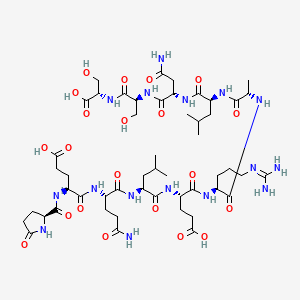
Compounds covered

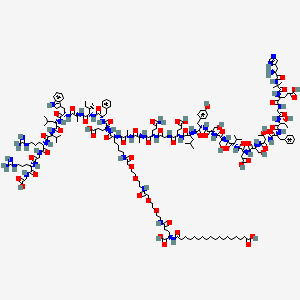
Semaglutide 2D chemical structure

Semaglutide

Semaglutide mimics endogenous GLP-1; an Aib8 substitution blocks DPP-4 degradation, and an albumin-binding fatty-diacid conjugate extends its half-life from roughly 2 minutes (native GLP-1) to about a week, enabling weekly dosing. It stimulates glucose-dependent insulin secretion, suppresses glucagon, slows gastric emptying, and reduces appetite via hypothalamic action. It carries a boxed warning for thyroid C-cell tumors based on rodent carcinogenicity data (human relevance undetermined) and is contraindicated with a personal or family history of medullary thyroid carcinoma or MEN 2. In the pivotal STEP 1 trial, it produced 14.9% mean weight reduction versus 2.4% for placebo at 68 weeks; the SELECT cardiovascular outcomes trial found a reduced composite rate of cardiovascular death, heart attack, or stroke in adults with obesity and existing cardiovascular disease.

Explore Semaglutide
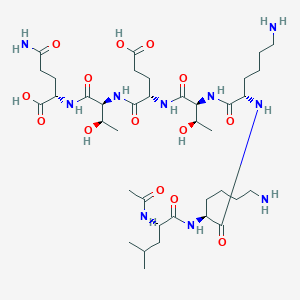
TB-500 (Thymosin Beta-4 Fragment) 2D chemical structure

TB-500 (Thymosin Beta-4 Fragment)

The marketed "TB-500" is a 7-residue fragment of the 43-amino-acid protein Thymosin Beta-4, but nearly all of the mechanistic and efficacy literature — angiogenesis, wound healing, and myoblast chemotaxis — was conducted with the full-length protein, not the fragment; only one identified study characterizes the fragment itself, and it is an analytical detection method paper, not an efficacy or safety study. Full-length Thymosin Beta-4 is an intracellular actin-monomer-binding protein that promotes cell migration and angiogenesis, partly via VEGF induction. This same pro-angiogenic mechanism has a documented dark side: full-length Tβ4-overexpressing tumor cells produced significantly larger tumors and more metastases in an animal cancer model, a legitimate mechanistic safety consideration given TB-500 is marketed on the identical mechanism.

Explore TB-500 (Thymosin Beta-4 Fragment)
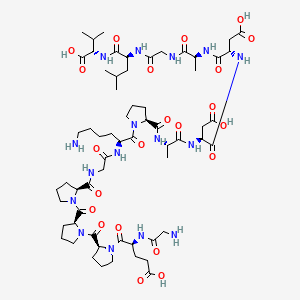
BPC-157 2D chemical structure

BPC-157

BPC-157 is a synthetic partial sequence derived from a peptide identified in human gastric juice. Preclinically, it accelerates healing of tendon, ligament, muscle, and gut tissue by promoting fibroblast and tenocyte migration, cell survival under oxidative stress, and new blood vessel formation. A 2025 systematic review screened 544 articles and found only 36 met inclusion criteria — 35 preclinical (animal) studies and exactly one small retrospective clinical case series. Published clinical safety data for BPC-157 remains absent; the evidence base is overwhelmingly animal and in-vitro.

Explore BPC-157
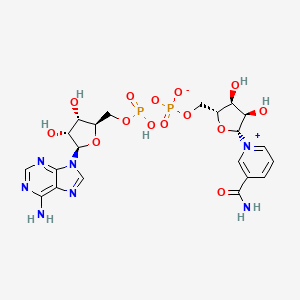
NAD+ (Nicotinamide Adenine Dinucleotide) 2D chemical structure

NAD+ (Nicotinamide Adenine Dinucleotide)

NAD+ is a coenzyme present in all living cells that shuttles electrons in the redox reactions central to glycolysis, the TCA cycle, and oxidative phosphorylation. It is also a consumed co-substrate for PARP enzymes during DNA base-excision repair and for sirtuins during protein deacetylation, linking cellular NAD+ availability to genome-stability maintenance and metabolic regulation. Cellular NAD+ levels decline with age. A systematic review of 8 randomized trials of the precursor NMN (342 participants) found no significant benefit on glucose, insulin, or lipid markers, and a separate review of 25 published human trials of the precursor NR concluded supplementation has shown few clinically relevant effects — an important gap between preclinical claims and confirmed human outcomes.

Explore NAD+ (Nicotinamide Adenine Dinucleotide)
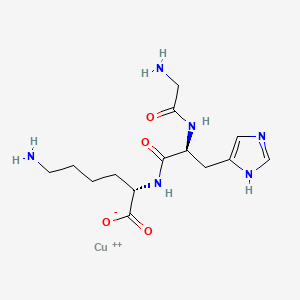
GHK-Cu 2D chemical structure

GHK-Cu

GHK-Cu is a naturally occurring copper-binding tripeptide whose plasma concentration declines with age. In dermal fibroblast and keratinocyte research, it stimulates collagen and glycosaminoglycan synthesis, promotes angiogenesis, and has chemotactic effects on immune cells, and it has been shown to influence broad gene-expression programs linked to tissue remodeling and wound repair.

Explore GHK-Cu

Compounds in these research areas

ARA-290 (Cibinetide) 2D chemical structure

ARA-290 (Cibinetide)

ARA-290 was engineered to reproduce a small structural motif of erythropoietin's tertiary fold — the helix B region — without activating the classical erythropoietin receptor homodimer, avoiding EPO's hematopoietic (red-cell-stimulating) effect. By engaging an EPOR/CD131 heterocomplex instead, it activates anti-inflammatory and cytoprotective signaling studied for neuronal and vascular tissue repair. A blinded, placebo-controlled human trial in patients with sarcoidosis-associated small nerve fiber damage reported improved neuropathic symptoms and increased corneal nerve fiber density after 28 days of dosing.

Explore ARA-290 (Cibinetide)
KPV 2D chemical structure

KPV

KPV is the C-terminal tripeptide fragment of alpha-melanocyte-stimulating hormone (residues 11-13). It is taken up into immune and intestinal epithelial cells via the PepT1 transporter, where nanomolar concentrations suppress NF-kB and MAP kinase-driven pro-inflammatory cytokine production — a mechanism shown to be independent of melanocortin receptors despite KPV's alpha-MSH lineage. It has been studied primarily in mouse models of inflammatory bowel disease; no published human clinical trial data was identified.

Explore KPV
VIP (Vasoactive Intestinal Peptide) 2D chemical structure

VIP (Vasoactive Intestinal Peptide)

VIP binds VPAC1 and VPAC2, class B G-protein-coupled receptors that classically activate adenylate cyclase and raise intracellular cAMP. Through this signaling it modulates neural, gastrointestinal, immune, endocrine, and circadian processes; in pancreatic beta cells, VPAC2 activation triggers cAMP/PKA-mediated closure of ATP-sensitive potassium channels and subsequent insulin secretion, and VIP has also been studied as an endogenous anti-inflammatory neuropeptide that helps maintain immune tolerance.

Explore VIP (Vasoactive Intestinal Peptide)
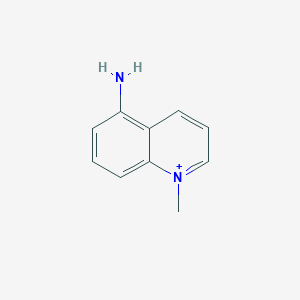
5-Amino-1MQ 2D chemical structure

5-Amino-1MQ

5-Amino-1MQ is a selective, membrane-permeable inhibitor of nicotinamide N-methyltransferase (NNMT), an enzyme that consumes SAM to methylate nicotinamide, depleting cellular SAM and NAD+ pools. Inhibiting NNMT raises intracellular SAM and NAD+ in adipocytes, suppressing lipogenesis and promoting fat oxidation in mouse models — reducing adiposity without reducing food intake. No human safety or efficacy data exist; the founding mouse study observed no adverse effects during short-term dosing, but that is a single short preclinical study, not a toxicology program.

Explore 5-Amino-1MQ
Cagrilintide 2D chemical structure

Cagrilintide

Cagrilintide is a long-acting synthetic amylin analogue that agonizes amylin (AMY1R/AMY3R) and calcitonin receptors, slowing gastric emptying and increasing satiety via hindbrain signaling. It is studied both alone and, more prominently, in combination with semaglutide, where it synergizes via complementary appetite pathways. In the Phase 3 REDEFINE 1 trial, the combination produced 20.4% mean weight reduction at 68 weeks versus 3.0% for placebo; gastrointestinal adverse events (nausea, vomiting, constipation) were the dominant safety finding, occurring in roughly 80% of combination-treated participants versus 40% on placebo, mostly mild-to-moderate.

Explore Cagrilintide
Retatrutide 2D chemical structure

Retatrutide

Retatrutide is a synthetic peptide engineered as a single-molecule agonist at three receptors: GLP-1R, GIPR, and the glucagon receptor (GCGR). Combined GLP-1/GIP agonism enhances glucose-dependent insulin secretion and satiety; the added glucagon receptor agonism is believed to increase energy expenditure and hepatic fat oxidation, proposed to explain the larger fat-mass reductions seen versus GLP-1-only or GLP-1/GIP dual-agonist therapies. In its Phase 2 obesity trial, the 12 mg dose produced up to 24.2% weight loss at 48 weeks versus placebo; gastrointestinal adverse events were the most common finding across trials, and a body-composition substudy found dose-dependent fat-mass reductions with relatively preserved lean mass.

Explore Retatrutide

More experts

View all experts
Dr. Abud Bakri, MD, Internal medicine physician and medical educator

Dr. Abud Bakri, MD

Internal medicine physician and medical educator

Abud Bakri is a physician and medical director at The Systems. His public peptide education addresses mechanisms, sourcing, safety, metabolic drugs, and evidence interpretation.

View Dr. Abud Bakri, MD
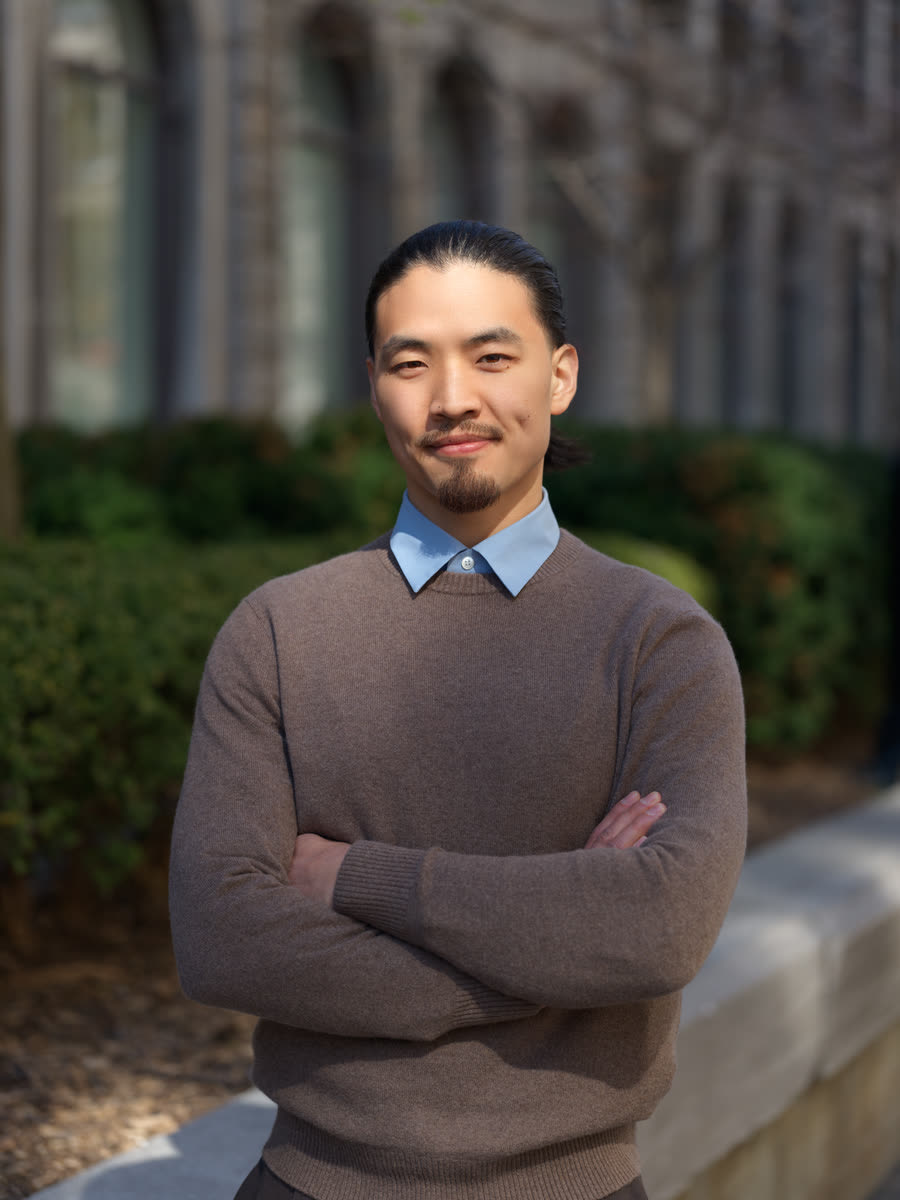
Dr. Handsun Xiao, MD, CCFP, Physician and Founder, Manus Solis

Dr. Handsun Xiao, MD, CCFP

Physician and Founder, Manus Solis

Handsun Xiao is a Toronto physician at Manus Solis. He writes about peptide therapy, metabolic health, hormone care and the evidence behind longevity interventions.

View Dr. Handsun Xiao, MD, CCFP
Dr. Suzanne J. Ferree, MD, FAARM, ABAARM, Family physician, peptide educator, and author

Dr. Suzanne J. Ferree, MD, FAARM, ABAARM

Family physician, peptide educator, and author

Suzanne Ferree is senior physician at Vine Medical Associates and author of Counterclockwise. Her work includes peptide education, hormones, neural therapy, and longevity medicine.

View Dr. Suzanne J. Ferree, MD, FAARM, ABAARM
Dr. Nick Norwitz, MD, PhD, Metabolic-health researcher and science educator.

Dr. Nick Norwitz, MD, PhD

Metabolic-health researcher and science educator.

Nick Norwitz is a Harvard-trained MD and Oxford-trained PhD who publishes metabolic-health research and peptide explainers through StayCurious Metabolism and YouTube.

View Dr. Nick Norwitz, MD, PhD

The views expressed by the experts featured here are entirely their own and do not constitute medical advice.

Last updated November 2, 2026

Black Friday: buy any item. Get another on us. Get up to 5 FREE items per order!Start shopping

Buy One, Get One FREE! The lowest-priced item in each pair is on us. Get up to 5 FREE items per order! Offer valid until November 30, 2026
Offer terms

  • Buy One, Get One FREE! The lowest-priced item in each pair is on us.
  • Get up to 5 FREE items per order!
  • Reconstitution supplies are not included.
  • This offer can't be combined with other promotions.
  • Offer valid until November 30, 2026
Elion Sciences
Connect
Need Assistance?

Our team is available Monday to Friday, from 9am – 5pm ET excluding Canadian statutory holidays.

Email us at: hello@elionsciences.com

Refer a ResearcherGift 3,000 points to a new researcher. After their first order, you'll receive 5,000 points as our thank you.
Shop All FormulasWhy Elion SciencesThe Science of PeptidesPeptide Quality Reports (CoAs)Leave Us a Review
Refund PolicyAccessibilityRewards Terms Research Use Disclaimer

Quality scores reflect both internal and external independent lab evaluations conducted on each production batch. Individual batch results are available in each product's Quality Report.

Every batch is traceable from synthesis to vial: we record origin, synthesis date, and purity content at intake, then screen each lot for solvent residue, heavy metals, and microbial safety before it's cleared to ship.

99% Purity - Trusted by leading Canadian researchers

Products sold on this website are for laboratory research use only.

Research Solutions
  • Recovery & Tissue Repair Research
  • Weight Loss & Metabolic Function Research
  • Longevity & Cellular Defense Research
  • Growth & Physical Performance Research
  • Aesthetics & Skin Remodeling Research
  • Focus & Cognitive Health Research
  • Explore Research →
Featured Research Hubs
  • Calgary
  • Edmonton
  • Halifax
  • Hamilton
  • Kingston
  • London
  • Montreal
  • Ottawa
  • Quebec City
  • Saskatoon
  • Toronto
  • Vancouver
  • Waterloo
  • Winnipeg
  • Explore The Canadain Research Landscape →
Terms of ServicePrivacy PolicyShipping Policy
© 2026 Elion Sciences. All Rights Reserved.Shipped from Mississauga, Ontario, Canada