Abud Bakri is a board-certified physician, medical director at The Systems, and public educator whose work focuses on peptide science and its clinical interpretation. Based in the Los Angeles area, he explains peptide mechanisms, potential applications, sourcing, and safety for a general audience.
Bakri appeared on Huberman Lab for the long-form interview Peptides: The Science, Uses & Safety. The conversation examined GLP-1-related medications, BPC-157, growth hormone secretagogues, and bioregulatory peptides, connecting their proposed mechanisms with the strength and limitations of the available research. It also explored the history of peptide development and the distinction between findings from animal studies and evidence from human clinical trials.
His educational approach emphasizes evaluating individual compounds rather than treating peptides as a single therapeutic category. Across discussions of recovery, metabolic health, and longevity, he addresses differences in biological activity, research quality, regulatory status, and product quality. His public work centers on making these distinctions accessible while separating established clinical uses from experimental applications and unresolved questions.
Dan Go ·
Beginner-oriented peptide discussion featuring Bakri.
Huberman Lab ·
Mechanisms, sourcing, evidence, and safety questions.

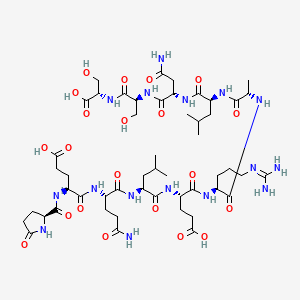
The angiogenesis and tissue-repair signaling behind our recovery research line.
Explore
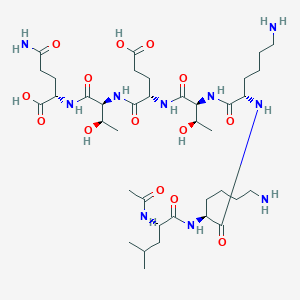
The incretin, amylin, and mitochondrial-metabolism research behind our weight loss research line.
Explore
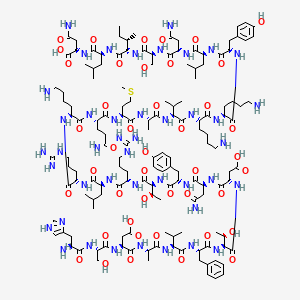
The cellular defense and antioxidant chemistry behind our longevity research line.
Explore
The growth hormone axis and mitochondrial-metabolism research behind our physical performance line.
Explore
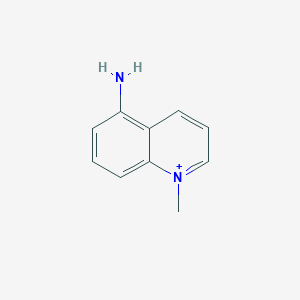
The copper-peptide and melanocortin chemistry behind our skin remodeling research line.
Explore
Tirzepatide simultaneously activates GIP and GLP-1 receptors on pancreatic beta cells and in the brain, enhancing glucose-dependent insulin secretion, suppressing glucagon, slowing gastric emptying, and reducing food intake. Structural studies show it activates GIPR similarly to native GIP but engages GLP-1R differently, producing less receptor desensitization than native GLP-1. It carries the same boxed warning for thyroid C-cell tumors as other drugs in its class. In the pivotal SURMOUNT-1 trial, mean weight reductions reached 22.5% at the highest dose versus 2.4% for placebo at 72 weeks; gastrointestinal adverse events, especially nausea, were significantly more common than with comparators across a 6-trial meta-analysis.
Explore Tirzepatide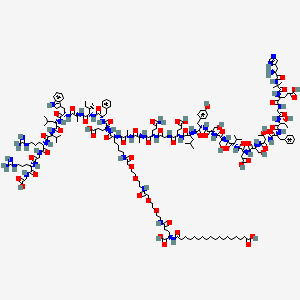
Semaglutide mimics endogenous GLP-1; an Aib8 substitution blocks DPP-4 degradation, and an albumin-binding fatty-diacid conjugate extends its half-life from roughly 2 minutes (native GLP-1) to about a week, enabling weekly dosing. It stimulates glucose-dependent insulin secretion, suppresses glucagon, slows gastric emptying, and reduces appetite via hypothalamic action. It carries a boxed warning for thyroid C-cell tumors based on rodent carcinogenicity data (human relevance undetermined) and is contraindicated with a personal or family history of medullary thyroid carcinoma or MEN 2. In the pivotal STEP 1 trial, it produced 14.9% mean weight reduction versus 2.4% for placebo at 68 weeks; the SELECT cardiovascular outcomes trial found a reduced composite rate of cardiovascular death, heart attack, or stroke in adults with obesity and existing cardiovascular disease.
Explore Semaglutide
Retatrutide is a synthetic peptide engineered as a single-molecule agonist at three receptors: GLP-1R, GIPR, and the glucagon receptor (GCGR). Combined GLP-1/GIP agonism enhances glucose-dependent insulin secretion and satiety; the added glucagon receptor agonism is believed to increase energy expenditure and hepatic fat oxidation, proposed to explain the larger fat-mass reductions seen versus GLP-1-only or GLP-1/GIP dual-agonist therapies. In its Phase 2 obesity trial, the 12 mg dose produced up to 24.2% weight loss at 48 weeks versus placebo; gastrointestinal adverse events were the most common finding across trials, and a body-composition substudy found dose-dependent fat-mass reductions with relatively preserved lean mass.
Explore Retatrutide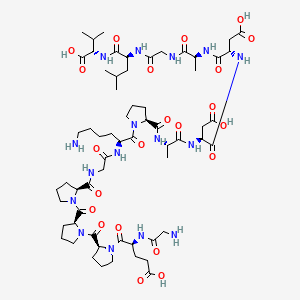
BPC-157 is a synthetic partial sequence derived from a peptide identified in human gastric juice. Preclinically, it accelerates healing of tendon, ligament, muscle, and gut tissue by promoting fibroblast and tenocyte migration, cell survival under oxidative stress, and new blood vessel formation. A 2025 systematic review screened 544 articles and found only 36 met inclusion criteria — 35 preclinical (animal) studies and exactly one small retrospective clinical case series. Published clinical safety data for BPC-157 remains absent; the evidence base is overwhelmingly animal and in-vitro.
Explore BPC-157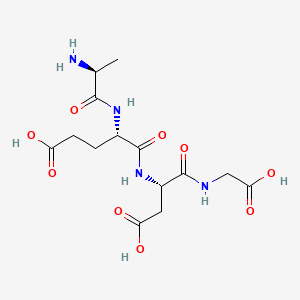
Epitalon (the AEDG tetrapeptide) has been studied for inducing telomerase catalytic-subunit expression and telomere elongation in telomerase-negative human fibroblast cultures, and for normalizing circadian melatonin and cortisol secretion in aged primates. Molecular modeling suggests it may bind histone H1 sites to epigenetically regulate transcription. Its telomerase-inducing effect raises a theoretical oncogenesis concern — telomerase reactivation is a hallmark of many cancers — though the origin research group's own animal work reports decreased experimental carcinogenesis with treatment, a tension not yet independently resolved outside that group. No completed human clinical safety trials were identified; the evidence base is limited to in vitro and animal studies from a small number of research groups.
Explore Epitalon (Epithalon)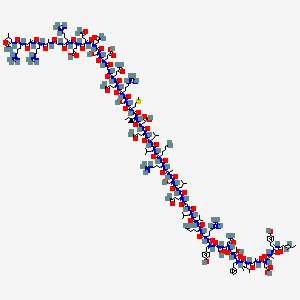
Tesamorelin is the full 44-amino-acid sequence of human growth hormone-releasing hormone with an N-terminal hexenoyl modification that confers resistance to DPP-IV-mediated degradation, extending its half-life relative to native GHRH. It binds the pituitary GHRH receptor to stimulate endogenous GH/IGF-1 axis activity, and has been studied specifically, and successfully in pivotal human trials, for reducing visceral adipose tissue.
Explore Tesamorelin
Sermorelin corresponds to the biologically active N-terminal 1-29 fragment of human growth hormone-releasing hormone (GHRH). It binds the pituitary GHRH receptor, activating Gs/adenylate cyclase/cAMP signaling that drives pulsatile growth hormone release, and has historically been used both as a diagnostic probe of pituitary GH reserve and as a chronic-dosing research tool for the GHRH axis.
Explore Sermorelin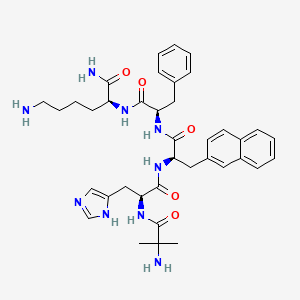
Ipamorelin is a selective agonist of the growth hormone secretagogue receptor (GHSR-1a), derived from GHRP-1. The original characterization study found it stimulates pulsatile growth hormone release at potency comparable to other GH secretagogues, but — unlike earlier-generation compounds in its class — without significantly elevating ACTH, cortisol, or prolactin above GHRH-stimulated levels, even at supra-effective doses.
Explore Ipamorelin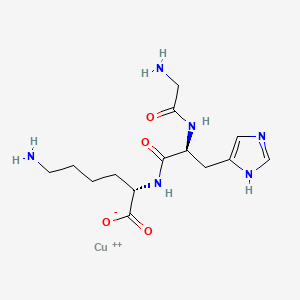
GHK-Cu is a naturally occurring copper-binding tripeptide whose plasma concentration declines with age. In dermal fibroblast and keratinocyte research, it stimulates collagen and glycosaminoglycan synthesis, promotes angiogenesis, and has chemotactic effects on immune cells, and it has been shown to influence broad gene-expression programs linked to tissue remodeling and wound repair.
Explore GHK-Cu
Physician and Founder, Manus Solis
Handsun Xiao is a Toronto physician at Manus Solis. He writes about peptide therapy, metabolic health, hormone care and the evidence behind longevity interventions.
View Dr. Handsun Xiao, MD, CCFP
Physician, longevity educator, and podcast host.
Peter Attia founded Early Medical and hosts The Peter Attia Drive. His peptide coverage examines clinical evidence, metabolic drugs, safety, and gray-market claims.
View Dr. Peter Attia, MD
Metabolic-health researcher and science educator.
Nick Norwitz is a Harvard-trained MD and Oxford-trained PhD who publishes metabolic-health research and peptide explainers through StayCurious Metabolism and YouTube.
View Dr. Nick Norwitz, MD, PhD
Orthopedic surgeon and cellular-medicine educator
William Seeds is an orthopedic surgeon, founder of SSRP Institute, author of Peptide Protocols, and an educator on peptides, cellular medicine, and performance.
View Dr. William A. Seeds, MDThe views expressed by the experts featured here are entirely their own and do not constitute medical advice.
Last updated
Buy One, Get One FREE! The lowest-priced item in each pair is on us. Get up to 5 FREE items per order! Offer valid until November 30, 2026