Orthopedic Surgeon and Founder, Human 2.0
Chris Raynor is an Ottawa orthopedic surgeon and founder of Human 2.0. He discusses peptide evidence, injury recovery and product-quality risks through videos and The Ortho-POD.
Based inOttawa, ONResearchers in Ottawa

Chris Raynor is an orthopedic surgeon based in Ottawa and the founder of Human 2.0, an integrated healthcare and movement facility. Ontario’s physician register identifies his medical school as Western University, with graduation in 2000, and records Royal College certification in orthopedic surgery in 2007.
His clinical and educational work focuses on musculoskeletal injury, surgery, rehabilitation, injury prevention and physical performance. Through Not Your Everyday Ortho and The Ortho-POD, he explains medical evidence and the practical consequences of injury and treatment decisions to a broad public audience.
Raynor has produced dedicated coverage of BPC-157 and TB-500 and has also discussed CJC-1295, ipamorelin and other experimental peptides. His September 2026 video revisits his assessment of tissue-repair mechanisms while emphasizing the limits of human evidence, uncertainty about long-term effects, and the importance of identifying what is actually in a product.
Dr. Chris Raynor | Not Your Everyday Ortho ·
Revisits peptide regulation and tissue-repair mechanisms; contrasts BPC-157 and TB-500 with growth hormone secretagogues and discusses uncertainty and product quality.
“A financial relationship isn't proof of a bad vote.”
The Ortho-POD with Dr Chris Raynor - Not Your Everyday Ortho ·
Reviews BPC-157 and TB-500, injury-recovery claims, and the gap between animal studies and human evidence.

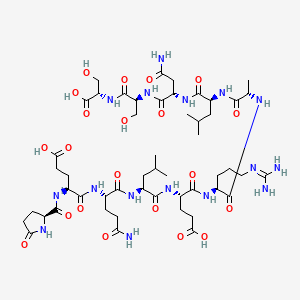
The angiogenesis and tissue-repair signaling behind our recovery research line.
Explore
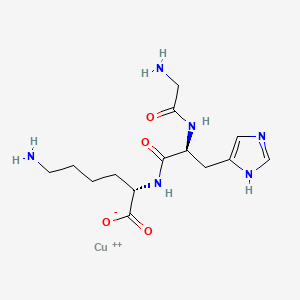
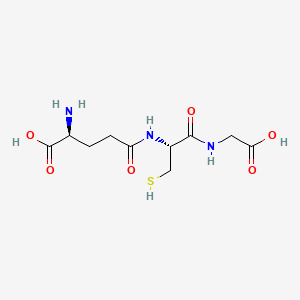
The cellular defense and antioxidant chemistry behind our longevity research line.
Explore
The growth hormone axis and mitochondrial-metabolism research behind our physical performance line.
Explore
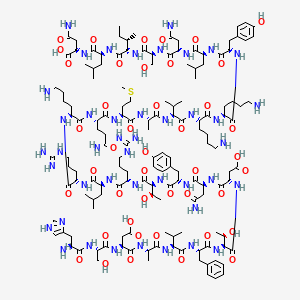
CJC-1295 without DAC, also called Modified GRF (1-29), is a 29-amino-acid analog of growth hormone-releasing hormone (GHRH) with four substitutions from native GRF(1-29): D-Ala2, Gln8, Ala15 and Leu27. It binds the GHRH receptor on pituitary somatotroph cells and stimulates growth hormone release. It lacks the drug affinity complex (DAC), the maleimido-lysine group that lets CJC-1295 with DAC bind serum albumin, so it does not have the 6 to 8 day half-life reported for the DAC form. The human studies listed below used the DAC form.
Explore CJC-1295 (No DAC)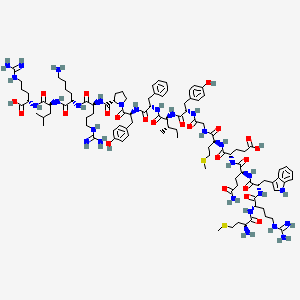
MOTS-c is a 16-amino-acid peptide encoded within the mitochondrial 12S rRNA gene — a "mitochondrial-derived peptide." It signals to skeletal muscle, suppressing folate-linked purine synthesis and activating AMPK; exercise induces endogenous MOTS-c, and exogenous dosing in mice mimics exercise-associated metabolic benefits including improved insulin sensitivity. No established human safety or dosing data exist for exogenous administration — human evidence to date is limited to measuring endogenous expression during exercise, not administering the peptide itself.
Explore MOTS-c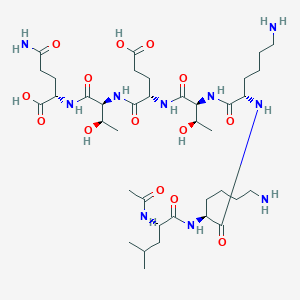
The marketed "TB-500" is a 7-residue fragment of the 43-amino-acid protein Thymosin Beta-4, but nearly all of the mechanistic and efficacy literature — angiogenesis, wound healing, and myoblast chemotaxis — was conducted with the full-length protein, not the fragment; only one identified study characterizes the fragment itself, and it is an analytical detection method paper, not an efficacy or safety study. Full-length Thymosin Beta-4 is an intracellular actin-monomer-binding protein that promotes cell migration and angiogenesis, partly via VEGF induction. This same pro-angiogenic mechanism has a documented dark side: full-length Tβ4-overexpressing tumor cells produced significantly larger tumors and more metastases in an animal cancer model, a legitimate mechanistic safety consideration given TB-500 is marketed on the identical mechanism.
Explore TB-500 (Thymosin Beta-4 Fragment)
KPV is the C-terminal tripeptide fragment of alpha-melanocyte-stimulating hormone (residues 11-13). It is taken up into immune and intestinal epithelial cells via the PepT1 transporter, where nanomolar concentrations suppress NF-kB and MAP kinase-driven pro-inflammatory cytokine production — a mechanism shown to be independent of melanocortin receptors despite KPV's alpha-MSH lineage. It has been studied primarily in mouse models of inflammatory bowel disease; no published human clinical trial data was identified.
Explore KPV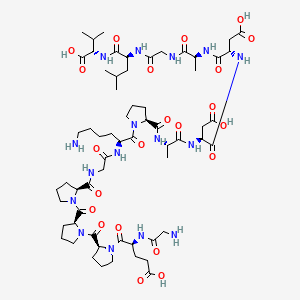
BPC-157 is a synthetic partial sequence derived from a peptide identified in human gastric juice. Preclinically, it accelerates healing of tendon, ligament, muscle, and gut tissue by promoting fibroblast and tenocyte migration, cell survival under oxidative stress, and new blood vessel formation. A 2025 systematic review screened 544 articles and found only 36 met inclusion criteria — 35 preclinical (animal) studies and exactly one small retrospective clinical case series. Published clinical safety data for BPC-157 remains absent; the evidence base is overwhelmingly animal and in-vitro.
Explore BPC-157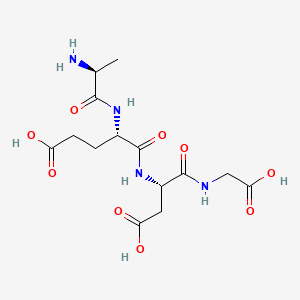
Epitalon (the AEDG tetrapeptide) has been studied for inducing telomerase catalytic-subunit expression and telomere elongation in telomerase-negative human fibroblast cultures, and for normalizing circadian melatonin and cortisol secretion in aged primates. Molecular modeling suggests it may bind histone H1 sites to epigenetically regulate transcription. Its telomerase-inducing effect raises a theoretical oncogenesis concern — telomerase reactivation is a hallmark of many cancers — though the origin research group's own animal work reports decreased experimental carcinogenesis with treatment, a tension not yet independently resolved outside that group. No completed human clinical safety trials were identified; the evidence base is limited to in vitro and animal studies from a small number of research groups.
Explore Epitalon (Epithalon)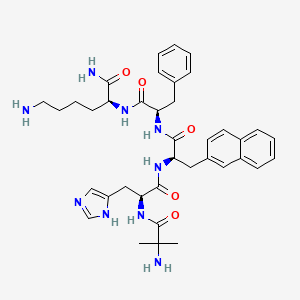
Ipamorelin is a selective agonist of the growth hormone secretagogue receptor (GHSR-1a), derived from GHRP-1. The original characterization study found it stimulates pulsatile growth hormone release at potency comparable to other GH secretagogues, but — unlike earlier-generation compounds in its class — without significantly elevating ACTH, cortisol, or prolactin above GHRH-stimulated levels, even at supra-effective doses.
Explore Ipamorelin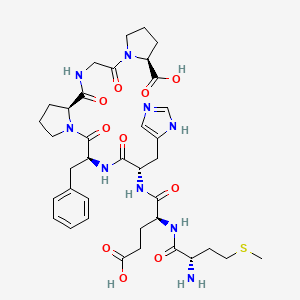
Semax is a synthetic heptapeptide derived from the ACTH(4-7) sequence with an added Pro-Gly-Pro tail, studied predominantly in rodent models of cerebral ischemia and in human neuroimaging studies of brain connectivity. Proposed mechanisms include modulation of neurotrophic signaling, altered hippocampal calcium dynamics, and immune/vascular gene-expression changes in ischemic brain tissue — distinct from ACTH's classical corticotropic hormone activity, which the sequence used here lacks.
Explore Semax
Metabolic-health researcher and science educator.
Nick Norwitz is a Harvard-trained MD and Oxford-trained PhD who publishes metabolic-health research and peptide explainers through StayCurious Metabolism and YouTube.
View Dr. Nick Norwitz, MD, PhD
Physician and Founder, Manus Solis
Handsun Xiao is a Toronto physician at Manus Solis. He writes about peptide therapy, metabolic health, hormone care and the evidence behind longevity interventions.
View Dr. Handsun Xiao, MD, CCFP
Internal medicine physician and medical educator
Abud Bakri is a physician and medical director at The Systems. His public peptide education addresses mechanisms, sourcing, safety, metabolic drugs, and evidence interpretation.
View Dr. Abud Bakri, MD
Family physician, peptide educator, and author
Suzanne Ferree is senior physician at Vine Medical Associates and author of Counterclockwise. Her work includes peptide education, hormones, neural therapy, and longevity medicine.
View Dr. Suzanne J. Ferree, MD, FAARM, ABAARMThe views expressed by the experts featured here are entirely their own and do not constitute medical advice.
Last updated
Buy One, Get One FREE! The lowest-priced item in each pair is on us. Get up to 5 FREE items per order! Offer valid until November 30, 2026