Mark Hyman, MD, is a family physician, author, and public educator whose work spans functional medicine, nutrition, longevity, and health policy. He is founder and director of The UltraWellness Center, founder and senior advisor for the Cleveland Clinic Center for Functional Medicine, and a board member of the Institute for Functional Medicine. He also co-founded Function Health, where he serves as chief medical officer.
Hyman earned his undergraduate degree in Asian studies at Cornell University and his medical degree at the University of Ottawa School of Medicine. His clinical and educational work centers on the relationships among nutrition, metabolism, chronic disease, and long-term health.
A bestselling author, Hyman has written books including Young Forever and hosts The Dr. Hyman Show, previously known as The Doctor’s Farmacy. His public platform extends across podcasting, television, and consumer health businesses. He is also founder and chairman of the Food Fix Campaign, a nonprofit focused on changing food and agricultural policy.
Hyman brings peptide discussions to a wider audience through interviews with clinicians and researchers, including Edwin Lee. These conversations connect peptide science with the nutrition, metabolic health, recovery, and longevity subjects that define his broader work. His role in peptide education is principally that of an interviewer and public communicator, rather than a peptide-focused clinical specialist.
Eudemonia ·
Prevention, professional roles, and health philosophy.
The Dr. Hyman Show ·
Peptide research and proposed applications.
Television appearance ·
Functional-medicine approach to chronic illness.
Book
Longevity and healthspan.
Book
Faith-based wellness and lifestyle change.

The angiogenesis and tissue-repair signaling behind our recovery research line.
Explore
The incretin, amylin, and mitochondrial-metabolism research behind our weight loss research line.
Explore
The cellular defense and antioxidant chemistry behind our longevity research line.
Explore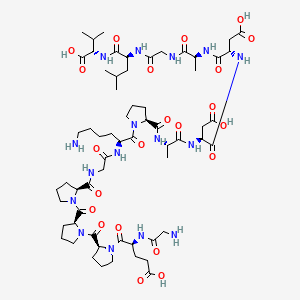
BPC-157 is a synthetic partial sequence derived from a peptide identified in human gastric juice. Preclinically, it accelerates healing of tendon, ligament, muscle, and gut tissue by promoting fibroblast and tenocyte migration, cell survival under oxidative stress, and new blood vessel formation. A 2025 systematic review screened 544 articles and found only 36 met inclusion criteria — 35 preclinical (animal) studies and exactly one small retrospective clinical case series. Published clinical safety data for BPC-157 remains absent; the evidence base is overwhelmingly animal and in-vitro.
Explore BPC-157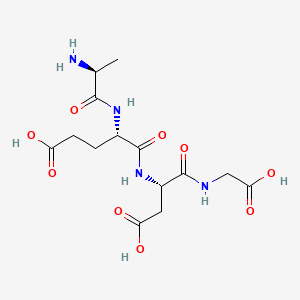
Epitalon (the AEDG tetrapeptide) has been studied for inducing telomerase catalytic-subunit expression and telomere elongation in telomerase-negative human fibroblast cultures, and for normalizing circadian melatonin and cortisol secretion in aged primates. Molecular modeling suggests it may bind histone H1 sites to epigenetically regulate transcription. Its telomerase-inducing effect raises a theoretical oncogenesis concern — telomerase reactivation is a hallmark of many cancers — though the origin research group's own animal work reports decreased experimental carcinogenesis with treatment, a tension not yet independently resolved outside that group. No completed human clinical safety trials were identified; the evidence base is limited to in vitro and animal studies from a small number of research groups.
Explore Epitalon (Epithalon)
Internal medicine physician and medical educator
Abud Bakri is a physician and medical director at The Systems. His public peptide education addresses mechanisms, sourcing, safety, metabolic drugs, and evidence interpretation.
View Dr. Abud Bakri, MD
Endocrinologist, author, and peptide educator
Edwin Lee founded the Institute for Hormonal Balance and co-founded the Clinical Peptide Society. He writes, teaches, and publishes on hormones and peptide-related clinical topics.
View Dr. Edwin N. Lee, MD, FACE
Physician, longevity educator, and podcast host.
Peter Attia founded Early Medical and hosts The Peter Attia Drive. His peptide coverage examines clinical evidence, metabolic drugs, safety, and gray-market claims.
View Dr. Peter Attia, MD
Metabolic-health researcher and science educator.
Nick Norwitz is a Harvard-trained MD and Oxford-trained PhD who publishes metabolic-health research and peptide explainers through StayCurious Metabolism and YouTube.
View Dr. Nick Norwitz, MD, PhDThe views expressed by the experts featured here are entirely their own and do not constitute medical advice.
Last updated
Buy One, Get One FREE! The lowest-priced item in each pair is on us. Get up to 5 FREE items per order! Offer valid until November 30, 2026